Photographing Warrnambool
About Warrnambool
Warrnambool is a coastal city in south-west Victoria, situated near the western end of the Great Ocean Road and overlooking the Southern Ocean. Surrounded by rolling dairy country, volcanic landscapes and a rugged coastline, it makes an excellent base for landscape, seascape, wildlife and heritage photography.
The coast around Warrnambool forms part of Victoria's famous Shipwreck Coast, providing photographers with rocky headlands, reefs, beaches, cliffs, islands and frequently dramatic seas. Within a relatively small area it is possible to photograph everything from crashing waves and colourful sunsets to waterfalls, historic lighthouses, Southern Right Whales, koalas, emus and kangaroos.
Warrnambool also has an interesting maritime history. Flagstaff Hill overlooks Lady Bay and contains the city's historic lighthouse precinct and Maritime Village, while the harbour and breakwater provide reminders of Warrnambool's development as an important nineteenth-century port.
For photographers, one of Warrnambool's greatest attractions is the variety of subjects available without travelling large distances.
Viewpoints
1. Thunder Point
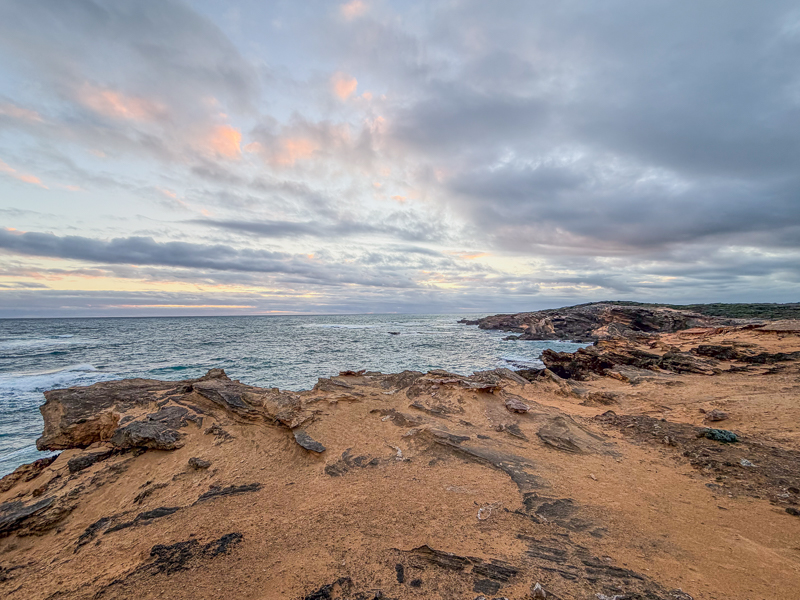
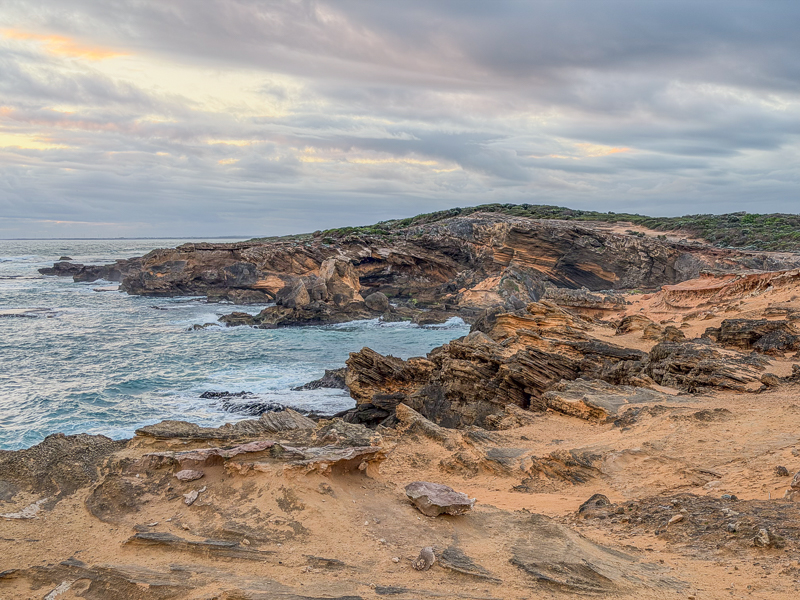
Probably Warrnambool's premier sunset photography location. The elevated viewing areas look west and south across rocky reefs, islands and the Southern Ocean. Unfortunately, while we were at Warrnambool, the weather was overcast and raining the whole time. We could not get a get photo of the sunset from Thunder Point.
Warrnambool City Council itself describes Thunder Point as probably the city's best place to watch the sunset.
Best for: sunsets, seascapes, long exposures, storm photography and rugged coastal landscapes.
Best light: late afternoon through blue hour.
Photography tip: Don't restrict yourself to the main lookout. A walking track continues towards Shelly Beach and Levy's Beach, where rock pools and rocky foregrounds provide much stronger compositions. The walk is roughly 1 km and includes uneven terrain.
A wide-angle lens in the 16–35 mm range is particularly useful, together with ND and graduated filters.
2. Pickering Point
Pickering Point lies within the Thunder Point coastal area but deserves to be treated as a photographic location in its own right.
The lookout and surrounding coastal trail provide broad views across the Southern Ocean, rocky shoreline and neighbouring bays.
Compared with Thunder Point, compositions here can feel slightly more intimate, with coastal vegetation, rock shelves and the curve of the shoreline providing useful foreground elements.
Look particularly for:
- Rock shelves leading towards the ocean.
- Breaking waves around the offshore rocks.
- Coastal vegetation as foreground.
- Telephoto studies of waves and rock formations.
- Late-afternoon side light across the coast.
- Stormy Southern Ocean conditions.
Best for: coastal landscapes, sunset, waves, long exposures and telephoto seascapes.
Recommended lenses: 16-35mm, 24-70mm and 70-200mm.
The 70-200mm is particularly useful here because it allows individual sections of the rugged coast to be isolated rather than always producing another wide coastal panorama.
Accessibility: parking is available nearby and there are formed paths and boardwalk sections, although parts of the coastal trail have uneven terrain.
3. Warrnambool Breakwater
The long breakwater at the western end of Lady Bay is one of Warrnambool's classic photographic subjects.
Good compositions can be made looking along the breakwater towards the harbour entrance, particularly when waves are breaking against the structure.
Best for: sunrise and sunset, long exposures, waves, fishing boats and stormy weather.
Best light: sunrise can illuminate Lady Bay beautifully, while late afternoon often produces dramatic side-light on the breakwater.
During rough weather, photograph from a safe distance rather than walking onto exposed sections of the breakwater.
4. Stingray Bay and Middle Island
Immediately west of the breakwater is one of Warrnambool's most attractive small coastal landscapes.
The Merri River reaches the sea here, with Middle Island sitting just offshore. The island is famous for its Little Penguin colony and the Maremma guardian-dog conservation program that inspired the film Oddball.
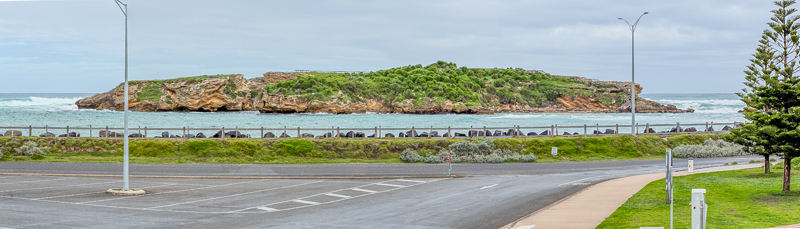
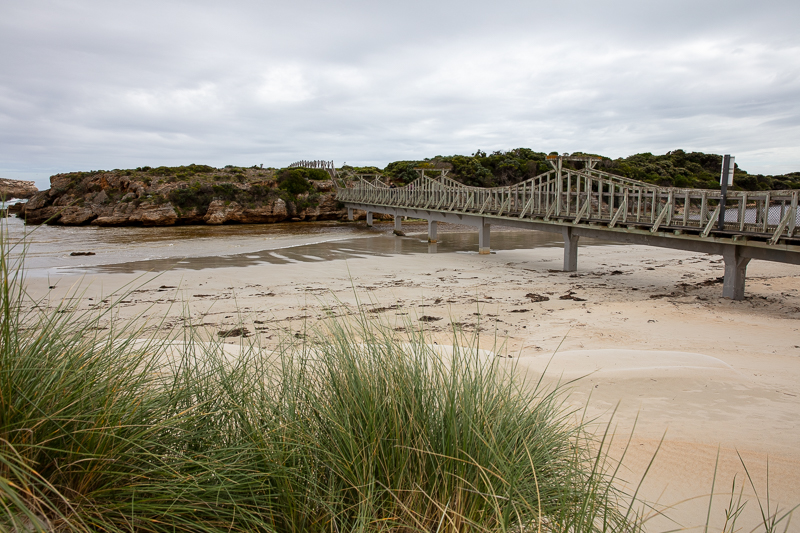
Best for: sunrise, sunset, reflections, Middle Island, coastal landscapes and bird photography.
At low tide, exposed rocks and pools can make excellent foreground elements.
Access to Middle Island itself is restricted to protect the penguins, so photography should be undertaken from the mainland.
5. Logans Beach Whale Watching Platform
Logans Beach is Warrnambool's best-known wildlife photography location.
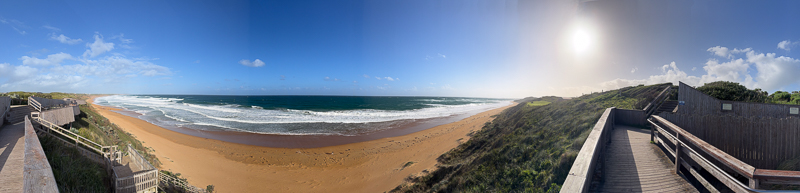
Female Southern Right Whales regularly visit the waters off Warrnambool during winter to give birth and raise their calves. The purpose-built viewing platform gives an elevated view over the nursery area. Warrnambool tourism sources generally nominate June to September, while Visit Victoria describes the broader season as extending into October.
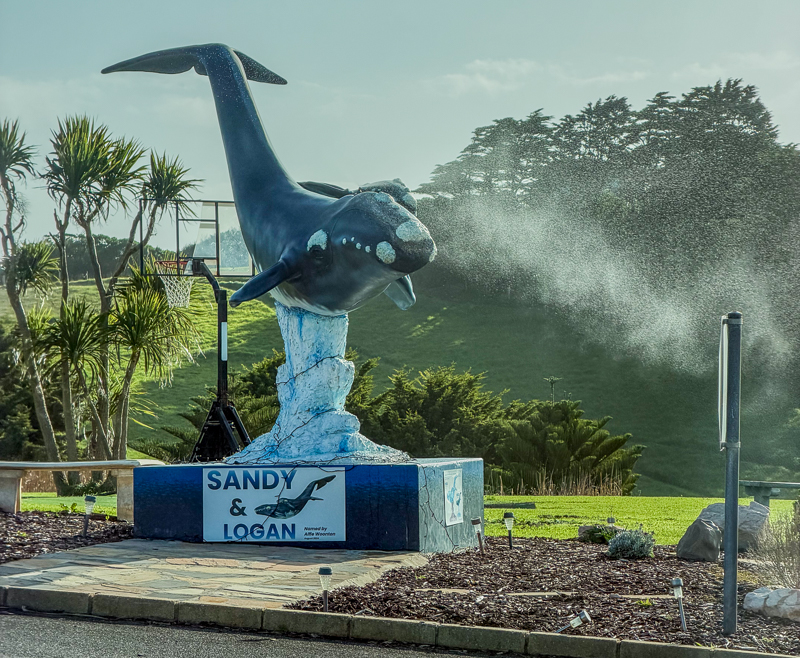
Best for: Southern Right Whales, dolphins, seabirds and coastal landscapes.
Lens: ideally 300–600 mm for whales, although whales occasionally approach surprisingly close to shore.
Morning light generally works particularly well here.
6. Flagstaff Hill
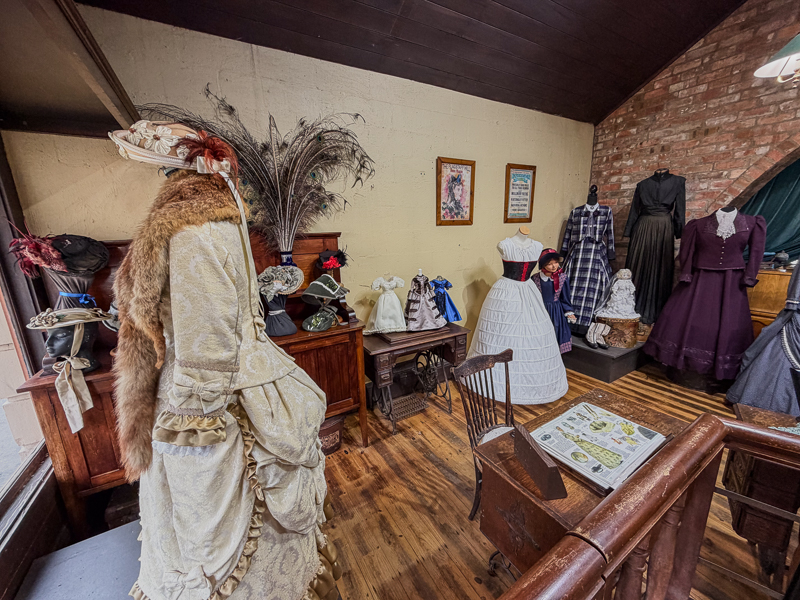
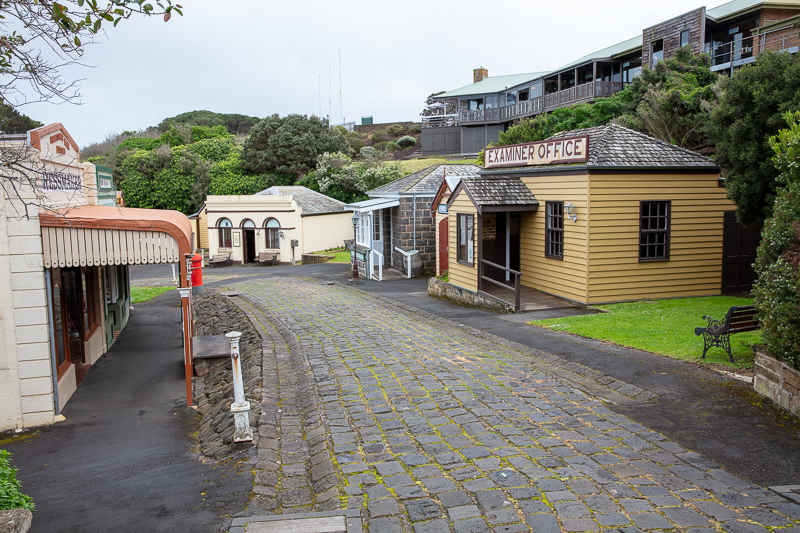
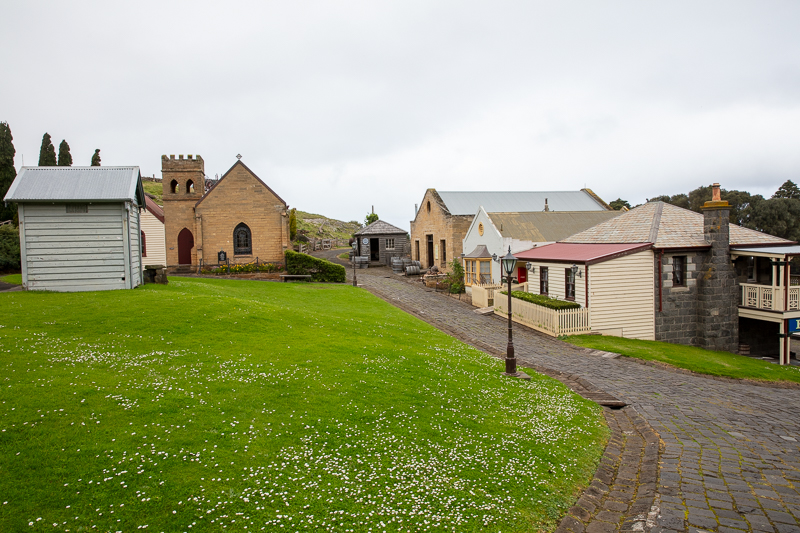
Flagstaff Hill overlooks Lady Bay and contains Warrnambool's historic lighthouse, maritime buildings, cannons and recreated nineteenth-century port.
The lighthouse was originally constructed on Middle Island in 1859 and relocated to Flagstaff Hill in 1871.
Best for: maritime architecture, lighthouse photography, historical details and views over Lady Bay.
The Maritime Village can also be photographed during its Tales of the Shipwreck Coast show, which operates nightly around dusk.
Flagstaff Hill Maritime Village
7. Lake Pertobe
Lake Pertobe provides a completely different photographic environment only minutes from Warrnambool's coastline.
The lake, wetlands, bridges and surrounding vegetation are particularly useful for photographing waterbirds, reflections and sunrise mist.
Best for: birds, reflections, families, sunrise and misty mornings.
A telephoto lens is useful for bird photography, while a 24–70 mm lens works well for wider environmental photographs.
8. Hopkins River Mouth
The mouth of the Hopkins River at the eastern end of Warrnambool provides attractive combinations of river, sand dunes, beach and ocean.
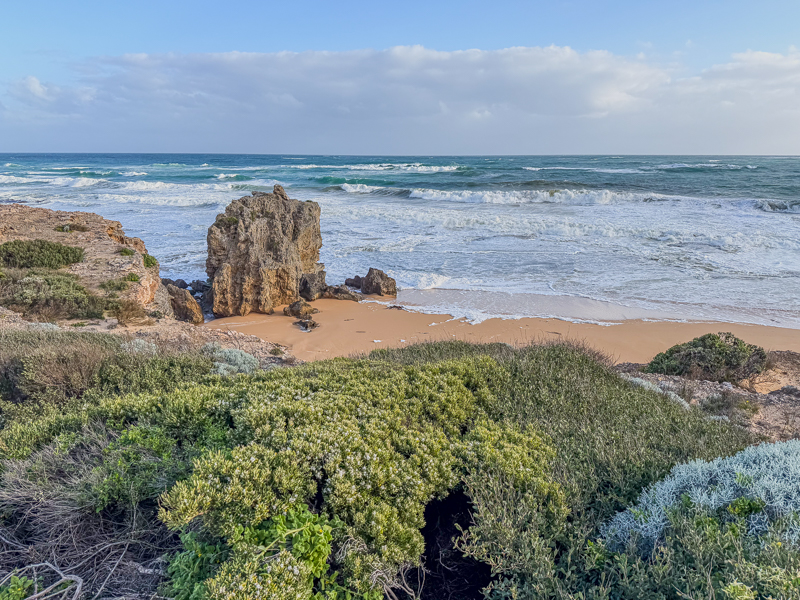
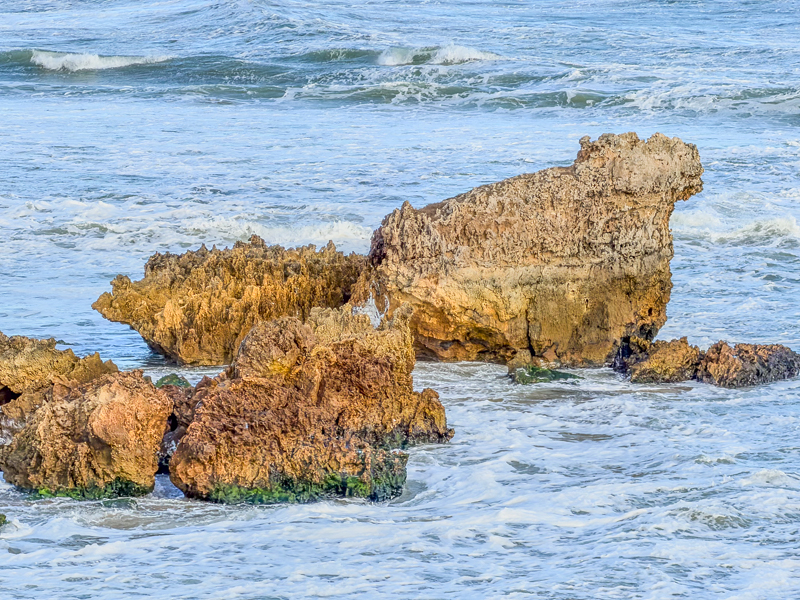
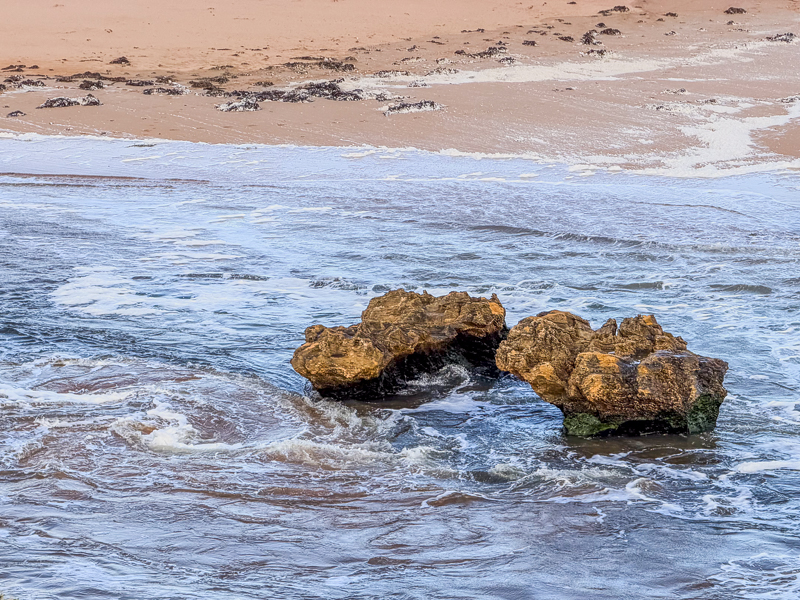
Best for:b> sunrise, long exposures, birdlife and minimalist coastal landscapes.
The estuary can be particularly photogenic when calm water provides reflections around sunrise.
9. Moyjil / Point Ritchie
Moyjil / Point Ritchie, at the mouth of the Hopkins River, should be one of Warrnambool's principal photographic locations.
It combines several subjects in one relatively small area:
- The Hopkins River estuary.
- The Southern Ocean.
- Rock platforms and cliffs.
- Sand and river-mouth patterns.
- Coastal vegetation.
- Birdlife.
- A culturally and archaeologically significant landscape.
Moyjil is an important Aboriginal cultural place. The rocks and dunes preserve evidence associated with a very long period of Aboriginal use of this coastline.
Photographers should therefore remain on established paths and viewing areas and treat the landscape itself as culturally significant rather than simply as another coastal rock platform.
Best light: early morning and sunrise.
With relatively calm conditions, the Hopkins River can provide reflections while the open coast beyond receives the first warm light.
Look for:
- The river curving towards the ocean.
- Rock formations catching early light.
- Reflections in quiet estuary water.
- Sand patterns around the river mouth.
- Birds incorporated into wider environmental compositions.
- Telephoto layers looking back along the coast.
Recommended lenses: 16-35mm, 24-70mm and 70-200mm.
11. Cannon Hill Lookout
Cannon Hill provides one of the best elevated views across Warrnambool's Lady Bay precinct.
From the ridge it is possible to include combinations of:
- Lady Bay.
- Lake Pertobe.
- Flagstaff Hill.
- The harbour and breakwater.
- The coastline beyond the city.
This makes Cannon Hill particularly useful for an establishing photograph of Warrnambool.
Late-afternoon and evening light can work particularly well, especially when broken cloud catches colour above Lady Bay.
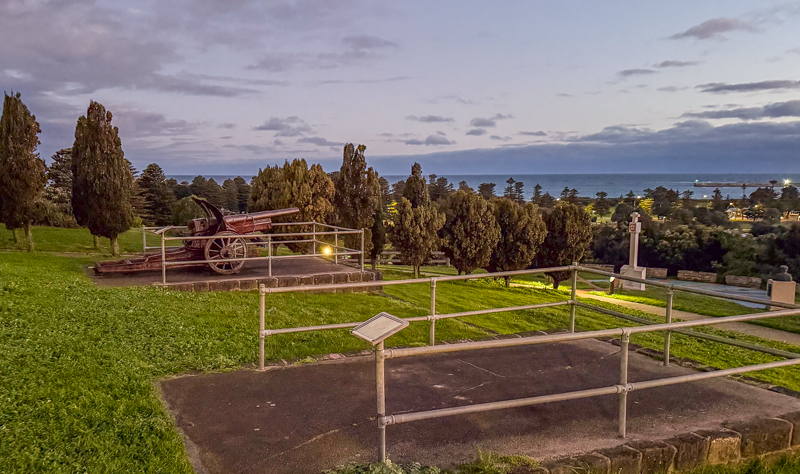
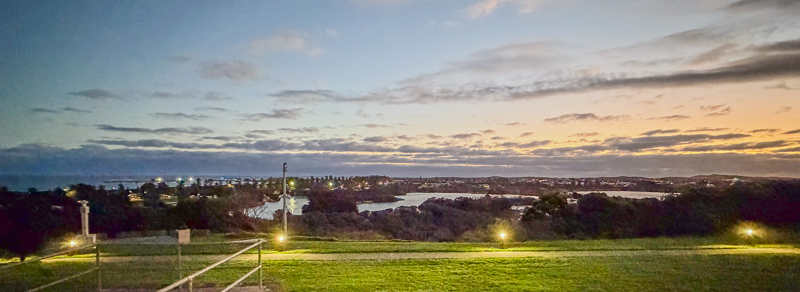
Recommended lenses: 24-70mm for the broader view and 70-200mm for isolating the harbour, breakwater and sections of the coast.
Blue hour is also worth considering because lights around the harbour and city begin to provide additional points of interest.
Warrnambool's principal photographic locations are numbered on the Apple Map below. The numbers identify subjects rather than prescribing a route.
Other Things to Look Out For
How I photographed Warrnambool
What I took - what was in my kit
I took my LowePro Backpack loaded with Canon 5DSR body, Canon 24-70mm zoom, Manfrotto 190 Tripod, and of course a range of lens wipes, spare batteries, sunscreen and bug repellant. I tended to shoot 24mm. I did not have my 16-35mm with me, but I wish I had.
Techniques
TBD
Nearby Locations
Several excellent photographic destinations can be reached within approximately an hour of Warrnambool.
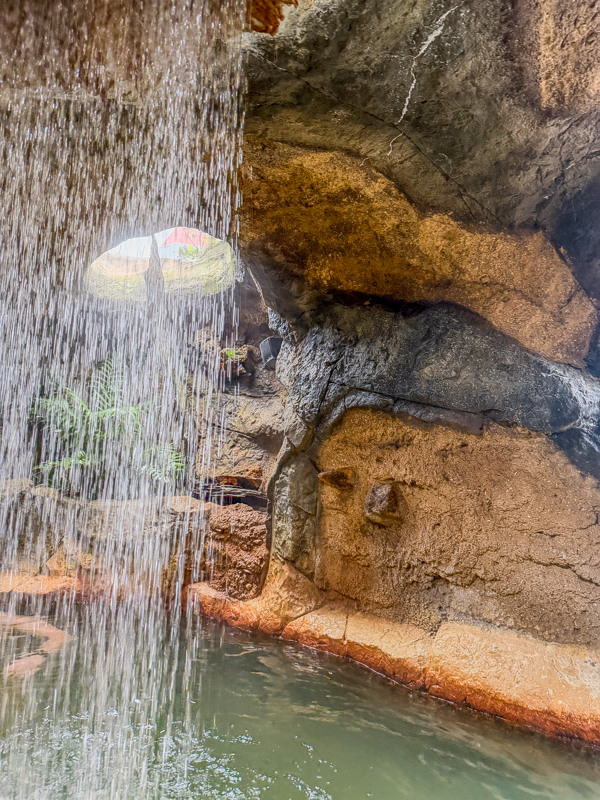
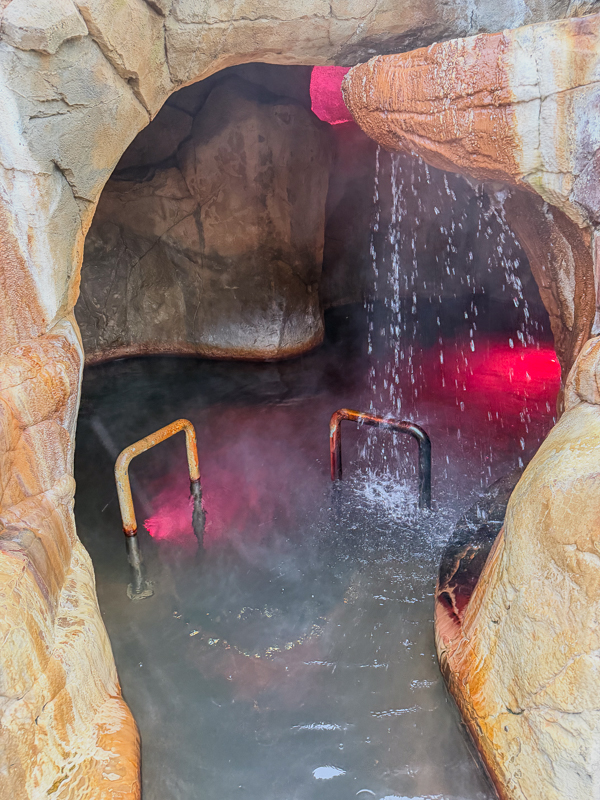
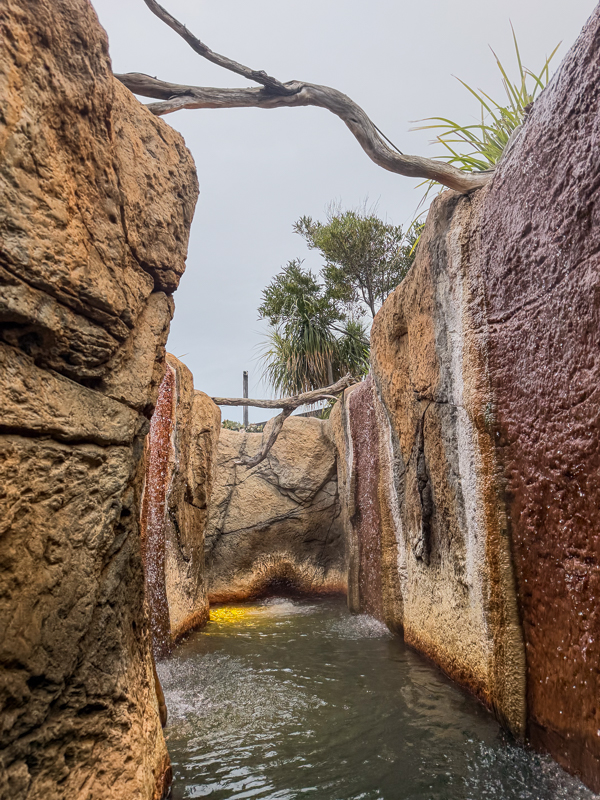
10. Warrnambool Deep Blue Hot Springs
The Deep Blue Hot Springs are not principally a landscape photography location, but they provide a very different experience from Warrnambool's coast and are worth retaining in the guide.
The combination of warm mineral pools, steam, low lighting and evening sessions can provide interesting environmental photographs where permitted.
Photography rules can change and the privacy of other bathers must be respected, so check the current conditions before taking camera equipment into the springs.
The Deep Blue Hot Springs are a paid entry set of some 18 hot springs. The springs vary in depth and water temperature (from about 35-42C). There are also simple pools, wading pools, rainfalls, and sensory caves (with stars overhead). The mineral-rich water is from 850 meters underground. There are sessions from early morning into the evening, with the daytime sessions suitable for ages 5 and above, and the twilight sessions for ages 16+. Entry (20260904) was $35 per adult, and for photographers: you could take photos on site, but were asked not to photograph people you did not come with. Jenny and I enjoyed our trip immensly, but it is surprising how doing nothing can be both relaxing and exhausting at the same time. We went in the twilight.
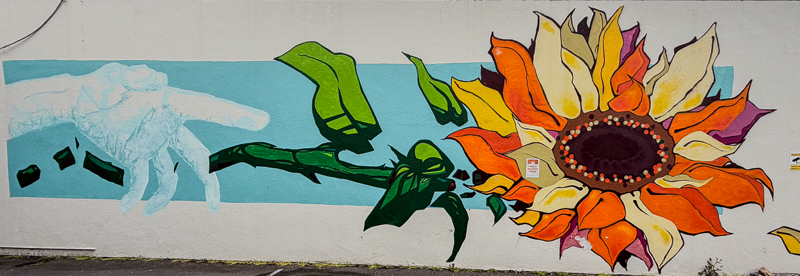
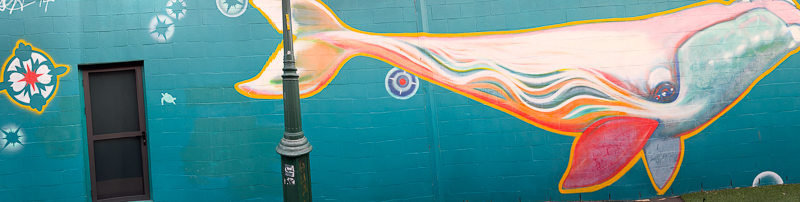
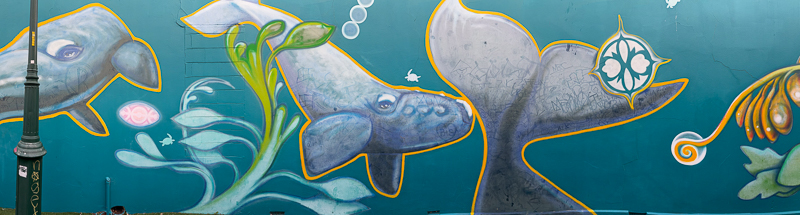
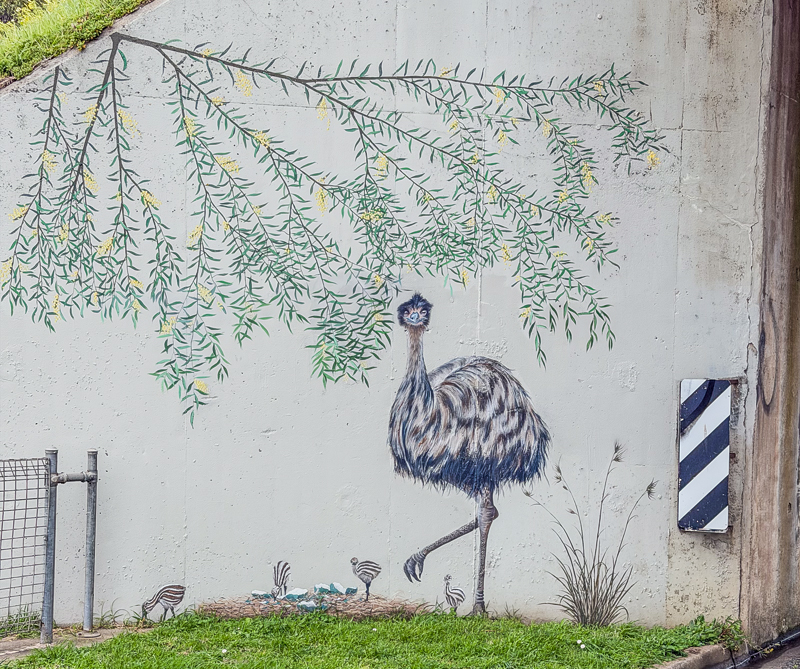
Warrnambool Street Art
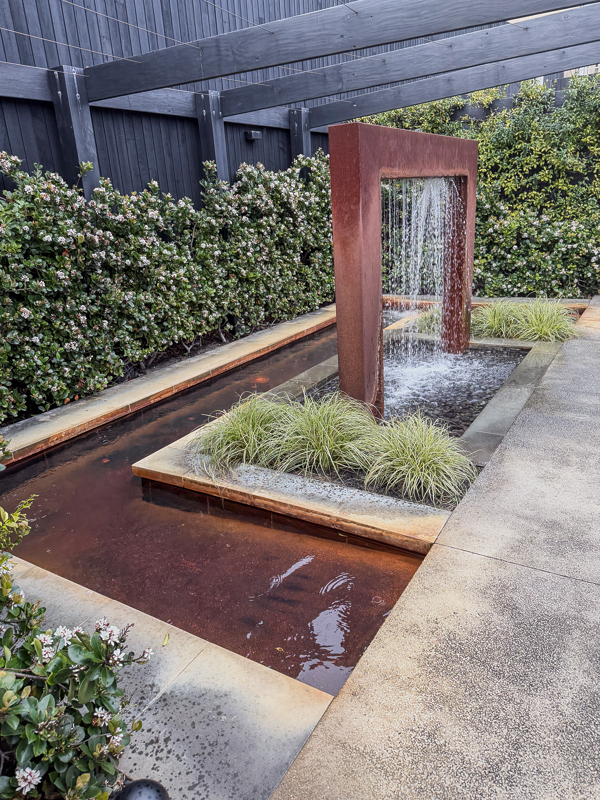
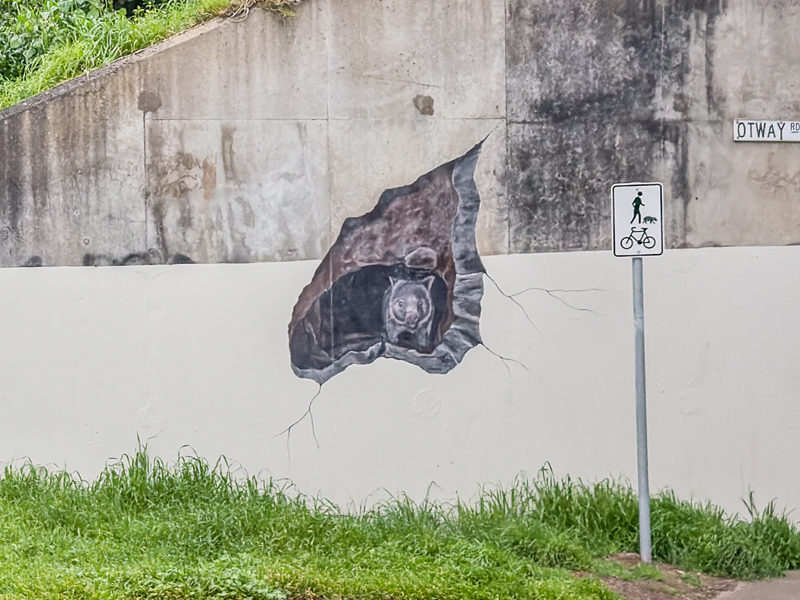
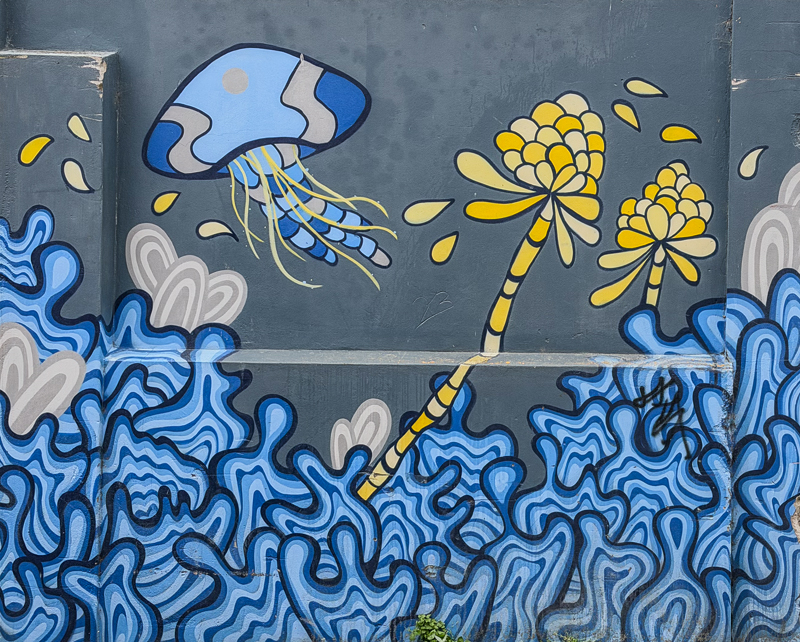
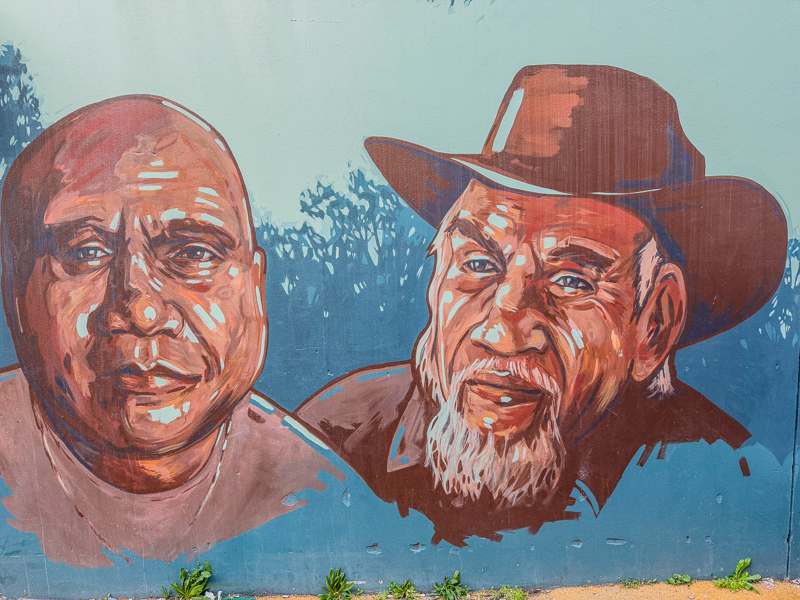
Warrnambool contains a growing collection of murals and public art that provides a useful alternative on days when coastal weather is poor.
A 24-70mm lens is generally the most useful starting point, although a 16-35mm can help with very large murals in confined laneways.
Photograph major works both square-on as a record of the artwork and from oblique angles that incorporate the surrounding architecture.
Your existing Warrnambool street-art photographs should remain here, with the option of eventually linking this section to a separate Auspano Warrnambool Street Art guide.
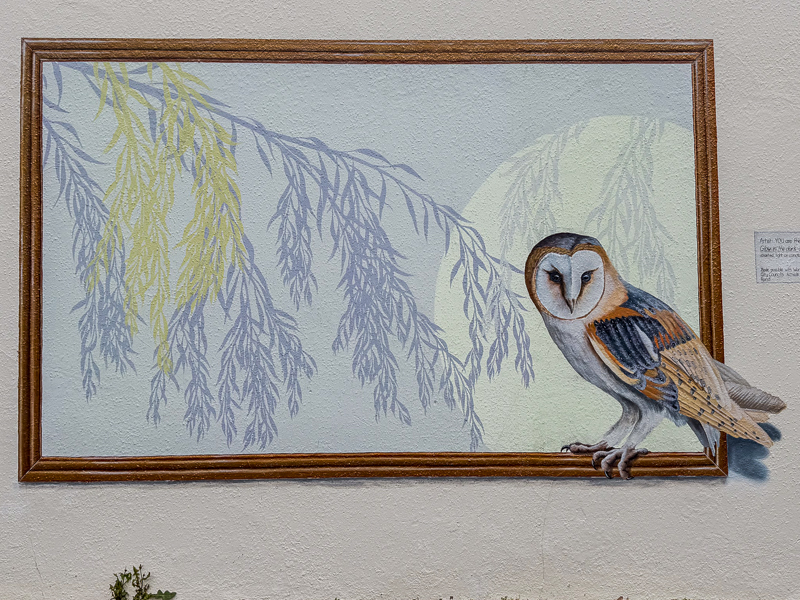
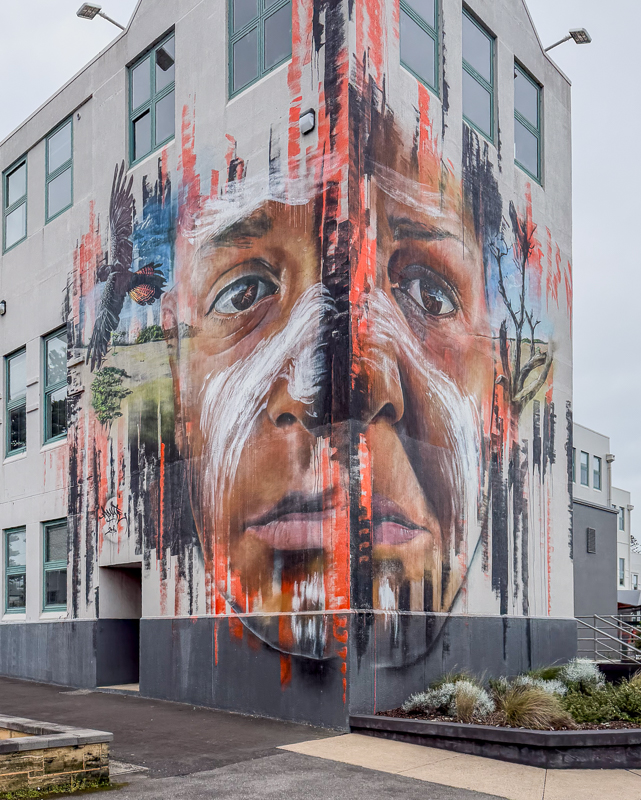
This is a fantastic piece of art - but a hard one to photograph. It covers two walls at 90deg to each other, and is about 2 stories tall.
Tower Hill Wildlife Reserve — about 15 minutes
Tower Hill Wildlife Reserve, approximately 15-18 km west of Warrnambool, occupies the crater of an extinct volcano and is one of the strongest wildlife photography locations in the district.
Koalas, emus, kangaroos and numerous waterbirds can often be photographed in relatively natural surroundings.
The crater, wetlands and internal volcanic cones also make Tower Hill a landscape-photography destination rather than simply a wildlife reserve.
Recommended lenses:
- 100-500mm or similar for wildlife.
- 70-200mm for environmental wildlife photographs.
- 16-35mm or 24-70mm for the volcanic landscape.
Early morning and late afternoon normally provide the best light and the greatest chance of active wildlife.
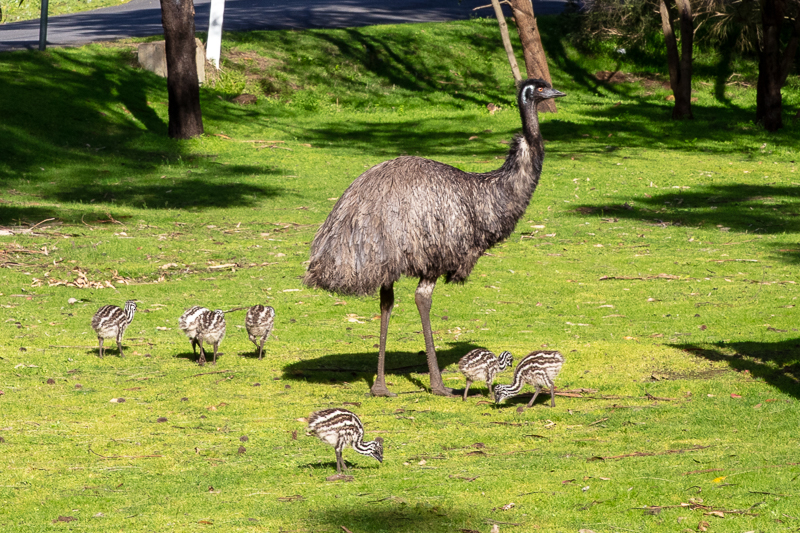
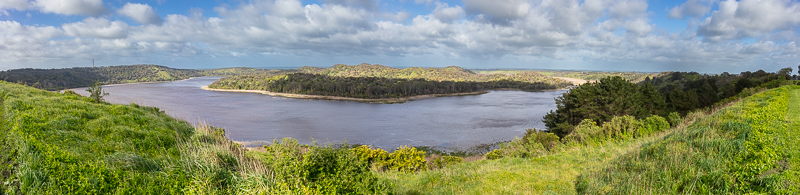
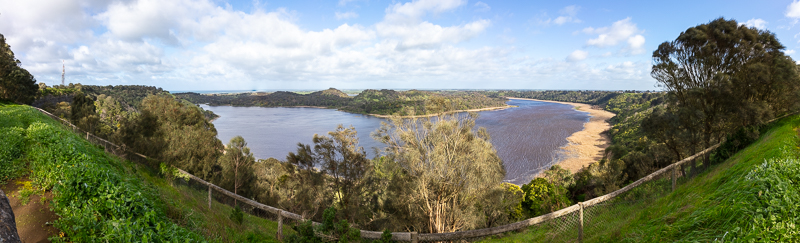
Early morning and late afternoon are best.
Hopkins Falls
Hopkins Falls is approximately 15 minutes from Warrnambool and is particularly impressive following substantial rainfall.
The falls span approximately 90 metres, making them an unusually broad waterfall and allowing compositions quite unlike the taller, narrower waterfalls found elsewhere in Victoria.
Winter and periods following heavy rainfall normally provide the strongest photographic conditions.
Experiment with shutter speeds rather than automatically producing very smooth water:
- 1/15 to 1/4 second - retains texture and power.
- 1/2 to 2 seconds - creates a softer curtain effect.
An easy walking path provides access towards the pools below, giving a different angle from the main viewing area.
Located approximately 13 km north-east of Warrnambool, Hopkins Falls spreads across a broad section of the Hopkins River and is especially attractive after substantial rain.
Best for: waterfalls and long exposures.
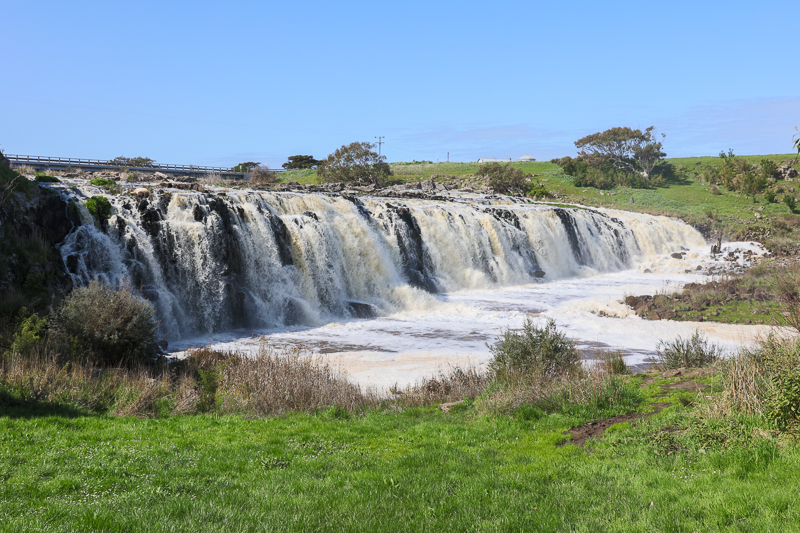
Try shutter speeds between roughly ¼ second and 2 seconds, depending upon water flow.
Winter and spring generally provide the strongest flows.
Childers Cove — about 25–30 minutes
One of the most underrated photographic locations along this section of coastline.
Childers Cove, together with nearby Murnanes Bay and Sandy Cove, contains limestone cliffs, sea stacks, secluded beaches and rock formations reminiscent of the better-known Port Campbell coast. Warrnambool's tourism site describes these coves as potential hidden gems of the Great Ocean Road.
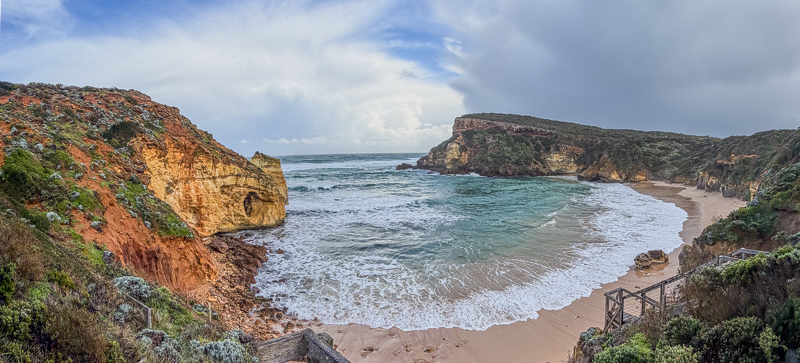
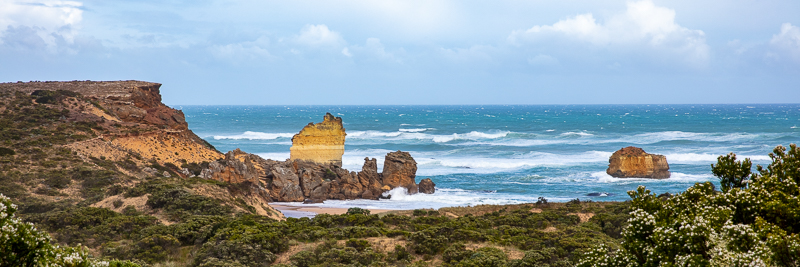
Best for: sunrise, seascapes, sea stacks and dramatic weather.
Allow several hours rather than treating it as a quick roadside stop.
Port Fairy — about 25 minutes
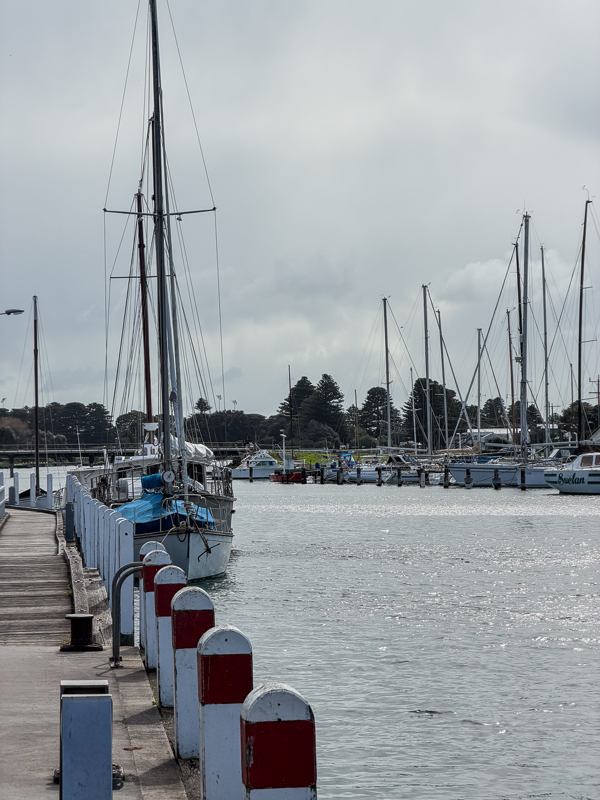
Historic Port Fairy is particularly good for architectural and coastal photography.
Photographic subjects include:
- Griffiths Island lighthouse
- Moyne River and fishing boats
- historic cottages
- East Beach
- Griffiths Island wildlife
- coastal sunsets.
The walk around Griffiths Island is especially worthwhile around late afternoon.
Killarney Beach — about 20 minutes
A quieter alternative to Warrnambool's main beaches, with extensive sand, shallow water and rocky sections.
Excellent for minimalist landscapes and long-exposure photography, particularly around sunrise or sunset.
The Crags — about 20 minutes
A dramatic coastal reserve west of Warrnambool overlooking offshore rock formations and islands.
It is especially good when large Southern Ocean swells are running.
Best for: telephoto landscapes, sunsets, seabirds and dramatic seas.
Bay of Islands Coastal Park — about 45–55 minutes
If you have an hour available, this should be high on a photographer's list.
The Bay of Islands area contains spectacular limestone stacks and cliffs similar to the Twelve Apostles but generally receives fewer visitors.
Look particularly at Bay of Islands, Bay of Martyrs and Massacre Bay.
Sunset can be spectacular.
These nearby excursions are included after Warrnambool's principal subjects on the Apple Map below.
Location
Flagstaff Hill precinct Address:
89 Merri Street
Warrnambool VIC 3280
Australia
Approximate GPS:
-38.390, 142.481
///vibe.purest.highways (Flagstaff Hill)
Apple Map – Location and Nearby Photographic Locations
This interactive Apple Map shows Warrnambool's principal photographic subjects followed by selected locations suitable for separate excursions. Select a numbered marker or an entry in the list below.
Photographic locations
How to Get There
Driving from Melbourne
Warrnambool is approximately 260 km west of Melbourne.
The quickest route is generally:
Melbourne → Princes Freeway (M1) → Geelong → Colac → Camperdown → Terang → Warrnambool.
Allow approximately 3¼–3¾ hours without lengthy stops.
For photographers, however, there is a much more interesting alternative.
Great Ocean Road route
Travel:
Melbourne → Geelong → Torquay → Lorne → Apollo Bay → Port Campbell → Warrnambool.
This route is considerably longer and should ideally be treated as a full-day journey—or even two days—but provides access to some of Australia's most famous coastal photographic locations including the Twelve Apostles, Loch Ard Gorge and Gibson Steps.
Train
V/Line operates direct regional train services between Melbourne's Southern Cross Station and Warrnambool via Geelong. Current V/Line timetables list multiple services in each direction.
V/Line Journey Planner and timetables
For photographers carrying substantial camera equipment, a car is considerably more useful once in Warrnambool because many of the best locations—including Tower Hill, Hopkins Falls, Childers Cove and the Bay of Islands—are outside the city.
Bus and coach
Regional coach services connect Warrnambool with a number of Victorian centres, and local buses operate throughout Warrnambool.
Walking and cycling
Once in Warrnambool, several major photographic locations can be explored on foot or bicycle via the foreshore.
The coastal promenade extends approximately 5.7 km from the breakwater along Lady Bay towards the Hopkins River mouth.
A car is still recommended for photographers wanting to explore the surrounding district.
Current information
Information checked: September 2026.
Southern Right Whales normally visit the Warrnambool coast between June and September. Their presence varies from day to day, so a photographer should not assume that whales will be visible during a single visit to Logans Beach.
Warrnambool City Council recommends checking recent sightings before travelling to the viewing platform.
Logans Beach viewing access is free and available at all times.
At Thunder Point, remain on recognised walking tracks and viewing areas. The coastal vegetation and dunes are environmentally sensitive and Council has recently reported damage from unauthorised track creation and vegetation clearing.
Conditions on the coast can change quickly in strong wind and large Southern Ocean swells. Do not enter exposed rock platforms simply to obtain a lower photographic angle.
Driving from the State Capital
The state capital is used as a consistent reference point. Apple Maps calculates the automobile route to this location; your actual route may vary with your starting point, traffic, roadworks and temporary closures.
State capital to destination
Calculating the driving route with Apple Maps…
Distance and travel time are Apple Maps estimates and may change with the route and current conditions.
Current Access / Conditions
Warrnambool's principal urban lookouts and foreshore locations are generally accessible by sealed roads or formed paths. Coastal conditions can change rapidly, and waves may reach exposed reefs and rock platforms unexpectedly.
Before travelling, check Warrnambool City Council notices, VicTraffic and Parks Victoria conditions for any closures affecting coastal reserves, Tower Hill or the Bay of Islands. At Thunder Point and Moyjil, remain on recognised tracks and respect sensitive vegetation and culturally significant areas.
Best Time to Visit
Warrnambool is photographically worthwhile throughout the year, but different seasons suit different subjects.
Winter — June to August: arguably the most interesting period for serious photography. Southern Right Whales return to the Warrnambool coast, winter storms create dramatic seas, sunrise occurs at a civilised hour, and the surrounding countryside becomes intensely green. The downside is cold, wet and windy weather.
Spring — September to November: probably the best all-round season. The countryside remains green, waterfalls are more likely to have good flow, wildflowers appear, wildlife is active and September can still provide opportunities for Southern Right Whales.
Summer — December to February: best for long evenings, beaches, family photography and colourful sunsets. The landscape can become much drier and waterfalls may carry less water. Sunrise is also very early.
Autumn — March to May: excellent for calmer conditions, softer light and fewer visitors. Autumn can produce beautiful coastal sunsets and is particularly good for landscape photography around Tower Hill and the surrounding farmland.
Best overall photographic period
For a photographer visiting Warrnambool for the first time, I would choose late August through September.
This provides perhaps the best combination of green landscapes, flowing waterfalls, dramatic coastal weather, reasonable sunrise times and the possibility of Southern Right Whales.
For dedicated whale photography, concentrate on June–September, making repeated visits to Logans Beach rather than assuming the whales will be present on any particular day. The Visitor Information Centre publishes information about current whale sightings.
For landscape photography, always check sunrise/sunset direction, tide and swell before visiting Thunder Point, Childers Cove or the Bay of Islands. Some compositions that are ordinary at high tide become excellent when rock shelves and pools appear at lower tide.
Accessibility
Accessibility
Warrnambool provides a better range of accessible photographic locations than the rugged nature of its coastline might initially suggest.
Accessibility varies considerably, however, between developed lookouts, formed foreshore paths and the lower beaches and rock platforms.
Lady Bay and McGennans Beach
One of the most significant recent improvements is the all-abilities beach access ramp at McGennans car park.
The ramp opened in 2025 and is located close to accessible parking bays and accessible amenities.
This provides photographers with limited mobility with a useful option for photographing Lady Bay from much closer to beach level.
Beach wheelchairs
Warrnambool City Council also lists beach wheelchairs available for free hire through Warrnambool Surf Lifesaving Club.
These should be booked or checked directly before relying upon their availability.
Flagstaff Hill
The Flagstaff Hill Museum and Visitor Centre provide level entry, wide pathways and accessible amenities.
The historic village itself is more difficult because it lies on a relatively steep hillside and contains cobblestones and uneven surfaces.
For the evening Tales of the Shipwreck Coast experience, transport assistance can be arranged for visitors with limited mobility.
Thunder Point
The main lookout provides coastal views without requiring photographers to descend onto the beaches or rock platforms.
The more adventurous coastal compositions towards Shelly Beach involve uneven natural surfaces and are considerably less suitable for mobility aids.
Pickering Point
Pickering Point has parking nearby and formed trail and boardwalk sections, making some coastal viewpoints practical for people who do not wish to descend onto the beach.
Some sections of trail are uneven.
Moyjil / Point Ritchie
Parking, toilets, lookouts and interpretive signage are available in the precinct.
Access down to the beach itself is substantially more difficult and includes steep terrain and stairs. Useful coastal and estuary photographs can nevertheless be made from the upper visitor area.
Logans Beach
The purpose-built whale-watching platform allows the coast to be viewed from above the beach without photographers needing to walk onto the sand.
The dunes and vegetation are fragile and visitors should remain on the established access structures.
Lake Pertobe
Lake Pertobe is one of Warrnambool's easier locations for photographers wanting water, reflections and birdlife without negotiating rugged coastal terrain.
Where to Stay
Warrnambool has a large range of accommodation, from hotels and serviced apartments to caravan parks and B&Bs.
Hotels and resorts
Deep Blue Hotel & Hot Springs — At Worm Bay near the coast and particularly convenient for Thunder Point, Stingray Bay and sunset photography. Deep Blue Hotel & Hot Springs
Lady Bay Resort — An excellent location near the harbour, breakwater, Lake Pertobe and coastal walking tracks. Lady Bay Resort
Best Western Olde Maritime — Very conveniently located opposite the Flagstaff Hill area and within walking distance of the harbour and city centre. Best Western Olde Maritime
Apartments
Warrnambool Gallery Apartments — Serviced accommodation suitable for photographers wanting additional space and a longer stay.
Caravan and camping
Discovery Parks - Warrnambool — At Pertobe Road, very convenient for Lake Pertobe, Lady Bay, the breakwater and Thunder Point. Discovery Parks – Warrnambool
BIG4 Tasman Holiday Parks - Warrnambool — Cabins plus caravan and camping accommodation close to central Warrnambool. BIG4 Tasman Holiday Parks – Warrnambool
Bed & Breakfast
Merton Manor Exclusive B & B — A traditional B&B alternative to the larger hotels and holiday parks.
For photographers wanting to shoot sunrise and sunset, I would favour accommodation around Lady Bay / Pertobe Road / Worm Bay, because you can reach the breakwater, Stingray Bay and Thunder Point very quickly.
Photography Recommendations
-
16-35mm
Particularly useful at Thunder Point, Pickering Point, Stingray Bay and Moyjil where rocks, pools or coastal vegetation can provide a strong foreground.
Be careful not to use the widest focal length automatically. Extremely wide compositions can make offshore islands and breaking waves appear much smaller than they feel in person.
-
24-70mm
Probably the most useful general-purpose Warrnambool lens.
It works particularly well for Flagstaff Hill, Lake Pertobe, Cannon Hill, the harbour, Hopkins River and broader coastal landscapes.
-
70-200mm
I would now consider this almost essential for a Warrnambool photography trip.
Use it to isolate offshore rocks, compress sections of coastline, photograph waves, simplify the Tower Hill landscape and create tighter compositions from Cannon Hill.
-
100-500mm / 200-600mm
Highly desirable during whale season and for Tower Hill wildlife, Lake Pertobe birds and coastal seabirds.
-
Tripod
Important for Thunder Point sunsets, blue hour, Hopkins Falls and controlled wave movement.
-
Polarising filter
Useful around rock pools, Lake Pertobe, the Hopkins estuary and wet coastal rock.
Do not automatically remove every reflection. At Lake Pertobe or the Hopkins River, the reflection may be the main subject.
-
ND filters
A 3-stop or 6-stop ND provides useful control over water movement at Thunder Point, Stingray Bay, Childers Cove and Hopkins Falls.
-
Experiment with coastal shutter speeds
- 1/8 to 1/2 second retains considerable wave texture.
- 1/2 to 2 seconds creates flowing water around rocks.
- Several seconds creates a deliberately softer seascape.
Do not make every coastal image a very long exposure. The power of the Southern Ocean is part of Warrnambool's character.
-
Use tide and swell as compositional tools
Rock shelves and pools that disappear at high tide can become excellent foregrounds as the water retreats.
Conversely, stronger swell can transform otherwise ordinary telephoto coastal compositions.
-
Use people for scale
A carefully positioned person can be very effective at Thunder Point or on the breakwater, particularly when the ocean is large.
-
Protect equipment from salt spray
Warrnambool frequently experiences strong coastal wind. Carry several lens cloths and check the front element regularly during seascape sessions.
Suggested Photographic Sequence
Day 1 - Warrnambool Coast
- Pre-dawn: Moyjil / Point Ritchie.
- Sunrise: Hopkins River mouth and the rock formations around Moyjil.
- Early morning: Logans Beach if visiting during whale season.
- Mid-morning: Lake Pertobe for waterbirds and reflections.
- Late morning: Flagstaff Hill and maritime details.
- Afternoon: Stingray Bay, Middle Island and the breakwater.
- Late afternoon: scout Pickering Point and Thunder Point.
- Golden hour: Thunder Point.
- Sunset: Thunder Point or Pickering Point.
- Blue hour: remain on the coast or return towards the harbour.
Day 2 - Wildlife, Waterfalls and Western Coast
- Early morning: Tower Hill Wildlife Reserve.
- Morning: wildlife and volcanic landscapes at Tower Hill.
- Late morning: The Crags or Killarney Beach.
- Afternoon: Hopkins Falls if water flow is worthwhile.
- Late afternoon: Childers Cove, Murnanes Bay or Sandy Cove.
- Sunset: choose Childers Cove, Bay of Islands or return to Thunder Point according to cloud and swell.
Day 3 - Optional wider district
- Sunrise: revisit the best Warrnambool coastal location under improved conditions.
- Morning: Port Fairy and the Moyne River.
- Afternoon: Griffiths Island.
- Sunset: Griffiths Island lighthouse or the western Warrnambool coast.
How Long Should a Photographer Stay?
For a photographer visiting Warrnambool for the first time, two nights should be regarded as the minimum.
That provides two sunrise and two sunset opportunities and enough time to photograph the major Warrnambool locations together with Tower Hill or Hopkins Falls.
I would prefer three nights.
Three nights provide much greater flexibility because Warrnambool's photography is heavily influenced by:
- Cloud.
- Wind.
- Tide.
- Swell.
- Whale activity in winter.
A photographer wishing to include Port Fairy, Childers Cove and the Bay of Islands could easily justify four nights.
My Priority Photographs
- Thunder Point with warm sunset light and breaking surf.
- A wide Thunder Point composition with a strong rock foreground.
- A 70-200mm telephoto study of waves and offshore rocks.
- Pickering Point under dramatic coastal light.
- Middle Island and Stingray Bay at low tide.
- The breakwater with rough Southern Ocean conditions.
- Moyjil / Point Ritchie at sunrise.
- A calm reflected view across the Hopkins River estuary.
- A Southern Right Whale and calf from Logans Beach, if the opportunity occurs naturally.
- An environmental whale image showing the animal within the wider Warrnambool coastline rather than only a tightly cropped wildlife photograph.
- Lake Pertobe with mist or very calm reflections.
- A waterbird photographed within its Lake Pertobe environment.
- Flagstaff Hill lighthouse in warm light.
- Maritime architectural details within Flagstaff Hill.
- Cannon Hill showing Lady Bay, harbour and coastline together.
- A koala or emu environmental portrait at Tower Hill.
- A wide Tower Hill volcanic landscape.
- Hopkins Falls after substantial rain.
- Childers Cove at sunrise or under dramatic broken cloud.
- A Bay of Islands sunset to complete the wider Warrnambool story.
Photo Subjects
Explore related Auspano photography guides by subject.
Photographer Comments & Updates
Have you photographed this location? Share your photographs, viewpoints, photography tips or recent access updates, or ask a question about visiting. When uploading your own photographs, please include your name and the date each photograph was taken. Date any access or track-condition observations; visitor reports may become outdated, so check official information before travelling.