Photographing Portland
About Portland
Portland is a historic coastal city on Victoria's far south-west coast, approximately 360 kilometres west of Melbourne. Situated on Portland Bay and surrounded by some of the most rugged coastline in Victoria, it makes an excellent base for landscape, seascape, wildlife, maritime and architectural photography.
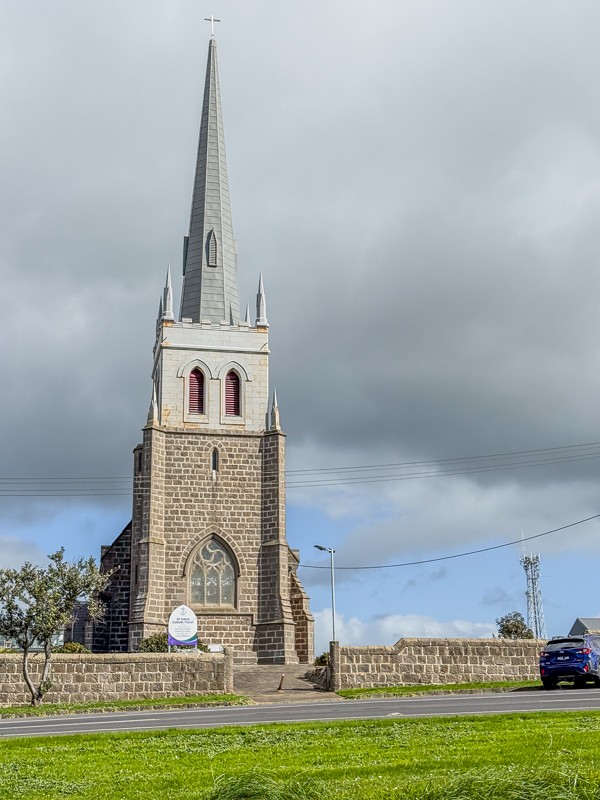
Portland was established in 1834 and is generally recognised as Victoria's first permanent European settlement. Its long maritime history remains evident in the working harbour, historic buildings, lighthouses, fishing fleet and the Portland Maritime Discovery Centre.
What makes Portland particularly attractive to photographers is the extraordinary variety of subjects within a relatively small area. In one day it is possible to photograph a working deep-water port, an historic lighthouse, Australasian gannets, dramatic limestone cliffs, beaches, forests and the open Southern Ocean.
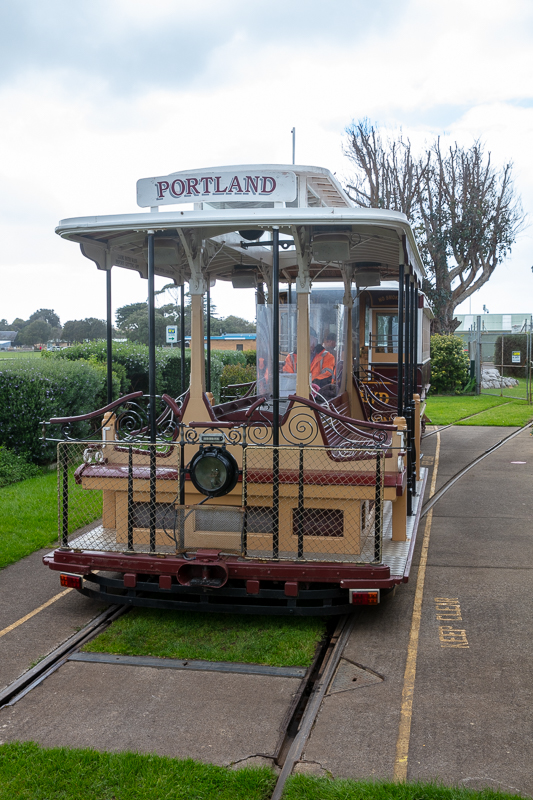
A short drive from the city brings you to Cape Nelson, Cape Bridgewater and the Great South West Walk, while the internationally significant Budj Bim Cultural Landscape is also readily accessible from Portland.
Portland is particularly rewarding when the weather is dramatic. Strong Southern Ocean swells, rapidly changing skies and winter storm fronts can produce much more interesting photographs than perfectly clear weather.
More information: Visit Portland
Viewpoints
-
Cape Nelson Lighthouse
Cape Nelson Lighthouse is probably the most important landscape photography location around Portland. The 32-metre-high lighthouse has stood above the Southern Ocean since 1884 and is surrounded by low coastal heath and spectacular limestone cliffs.
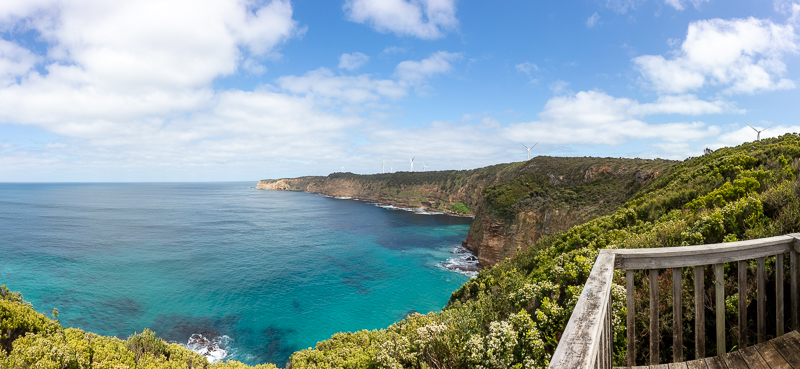
Lookout on way to Cape Nelson 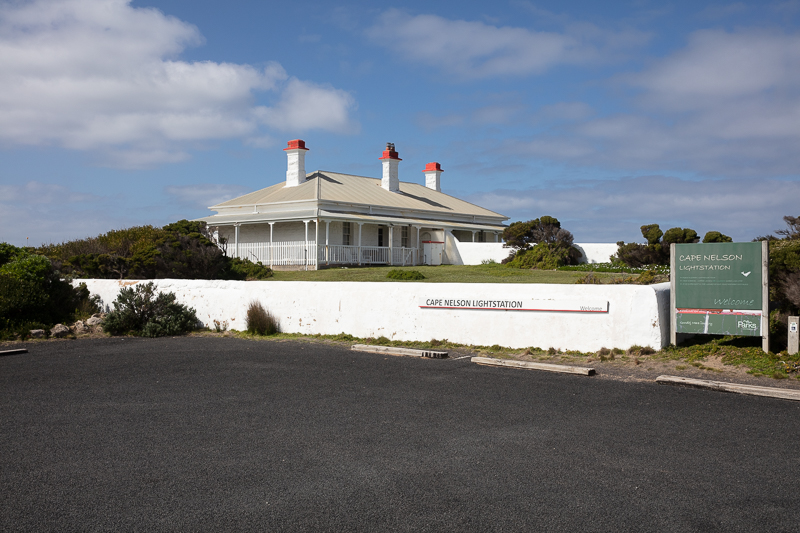
Cottage at Cape Nelson 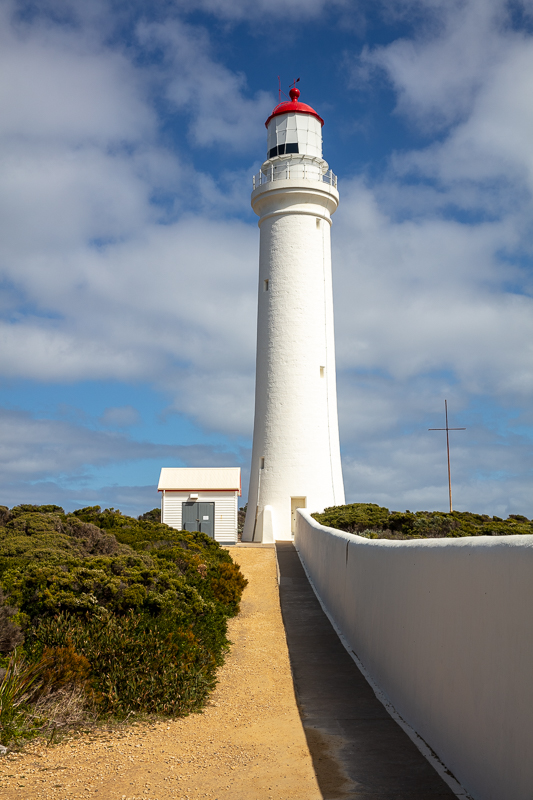
Cape Nelson Lighthouse Best for: lighthouse landscapes, dramatic skies, coastal cliffs, long exposures, whales and storm photography.
Best light: late afternoon and sunset are particularly useful, although the lighthouse can work at virtually any time when cloud formations are interesting.
Photography tip: rather than photographing only from the lighthouse car park, explore sections of the surrounding Lighthouse Walk and Sea Cliff Nature Walk. The lower coastal heath provides excellent foreground and allows the lighthouse to be isolated against the sky.
A 16-35mm lens is excellent for environmental photographs, while a 70-200mm allows cleaner, compressed compositions from farther along the walking tracks.
GPS: -38.43094, 141.54290
Address: 1119 Cape Nelson Road, Portland West VIC 3305
-
The Enchanted Forest
The Enchanted Forest in Portland, Victoria, is a magical 45-minute coastal walking trail featuring a dense canopy of gnarled Moonah trees, hanging vines, and dramatic ocean lookouts.
Trail Details
Length: About 1.4 miles (2.2 km) out-and-back or loop options.
Time: Takes around 45 minutes to complete.
Location: Starts off Scenic Road/Norman Wade Scenic Drive, roughly 15 minutes south of Portland town and part of the Great South West Walk.
Highlights: Interlocking tree tunnels, sea bird watching, seasonal whale sightings, and rugged cliff views.
Rules: Dogs are not allowed on this trail.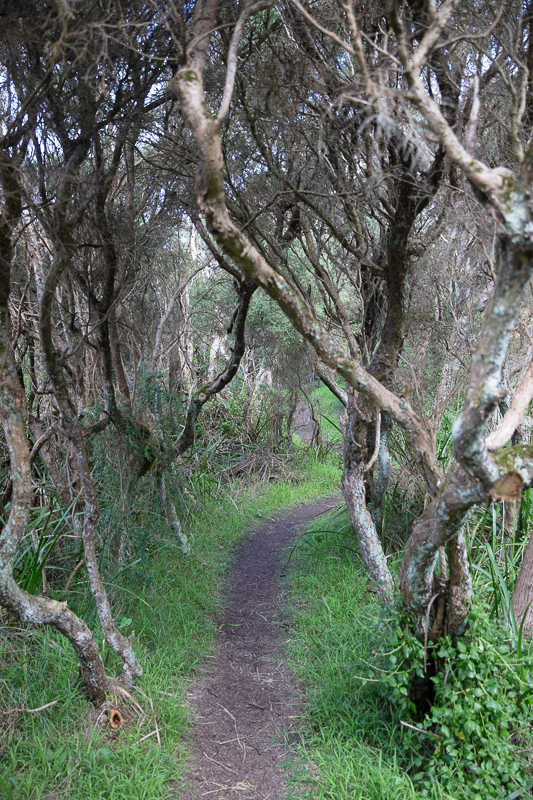
The Enchanted Forest -
Whalers Bluff Lighthouse
Whalers Bluff Lighthouse stands on an elevated grassy headland at the northern end of Portland and provides sweeping views over Portland Bay, the harbour and the city.
The relatively small white lighthouse with its red lantern makes an attractive photographic subject in its own right, particularly when combined with the surrounding grassland and the bay beyond.
Best for: lighthouse photography, Portland Bay panoramas, harbour photographs, sunrise light and whale watching.
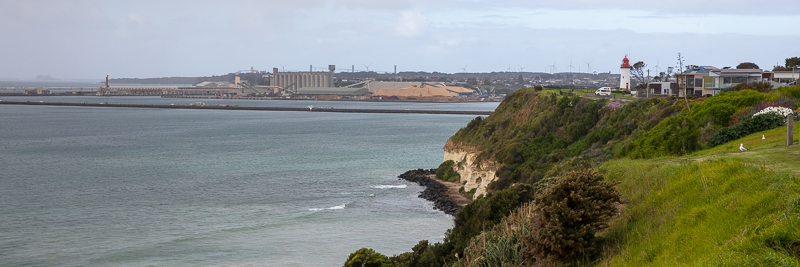
Lee Breakwater and Portland Harbour from Whaler's Bluff Best light: early morning. The elevated position also makes it an excellent location when interesting clouds are moving across Portland Bay.
Photography tip: carry both a wide-angle lens for the lighthouse and a telephoto lens for the harbour, ships and any passing whales.
-
Lee Breakwater and Portland Harbour
Portland's working harbour provides a completely different type of photography from the surrounding wild coastline. Fishing boats, tugboats, large commercial vessels, the breakwater and Portland Bay can all provide interesting compositions.
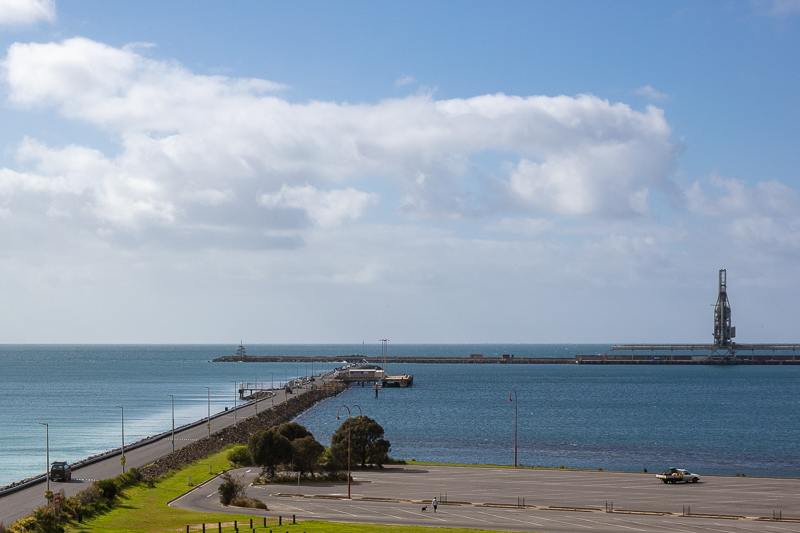
Lee Breakwater 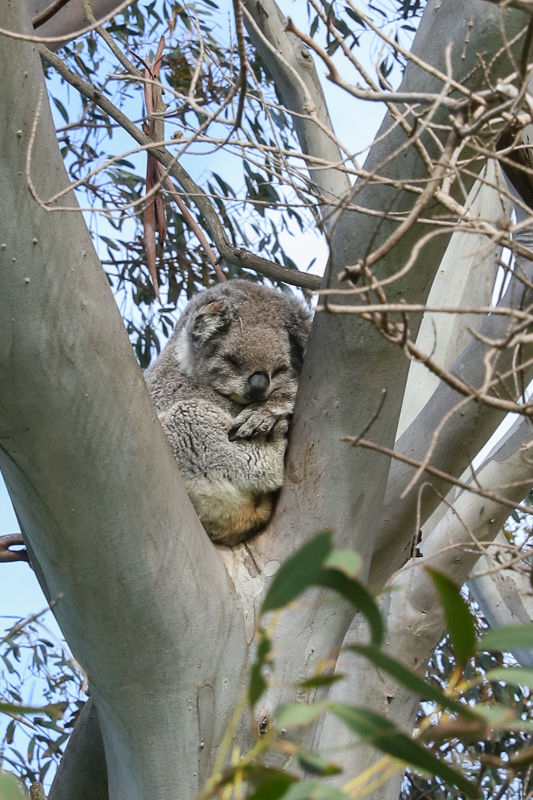
Koala in Tree within Portland city The long Lee Breakwater extends into Portland Bay and is one of the district's recognised whale-watching locations.
Best for: harbour landscapes, ships, fishing activity, sunrise, blue-hour photography and whales.
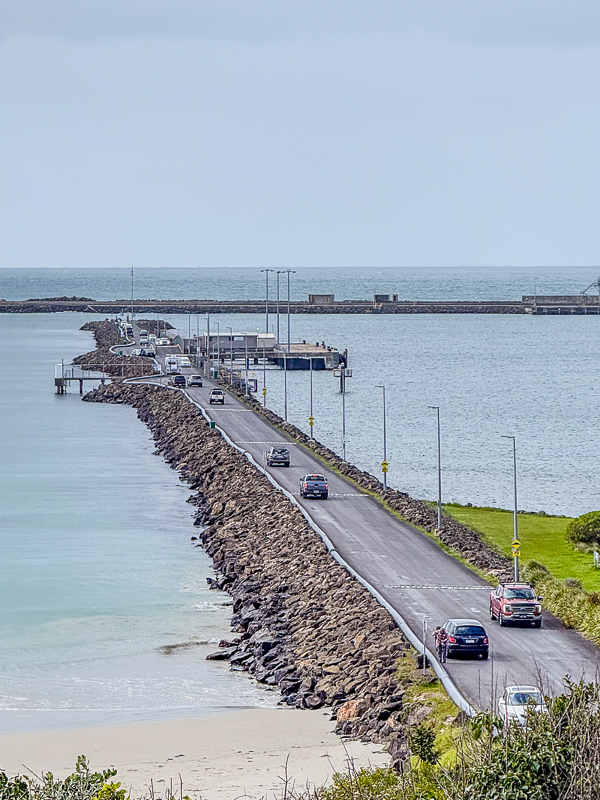
Lee Breakwater Best light: sunrise and early morning. Calm conditions can produce useful reflections around the harbour.
Photography tip: a 24-70mm lens is very useful around the waterfront. Carry something in the 100-500mm range during whale season.
The Portland Visitor Information Centre and Maritime Discovery Centre are situated immediately beside this area.
-
Point Danger Gannet Colony
Point Danger is one of Portland's outstanding wildlife photography locations and supports Victoria's only mainland breeding colony of Australasian gannets.
A public viewing area allows visitors to observe the birds without entering the protected breeding colony. Lawrence Rocks offshore support a much larger colony and can also form an attractive background in longer-lens compositions.
Best for: Australasian gannets, birds in flight, wildlife, ocean landscapes and whales.
Best period: approximately August through February is particularly interesting because it overlaps the breeding season.
Recommended lens: 300-600mm for detailed wildlife photographs and birds in flight.
GPS: approximately -38.39342, 141.64867
Stay behind barriers and follow local access restrictions around the colony.
-
Portland Botanic Gardens
Established during the 1850s, Portland Botanic Gardens provide a useful alternative when conditions along the coast are excessively windy or harsh.
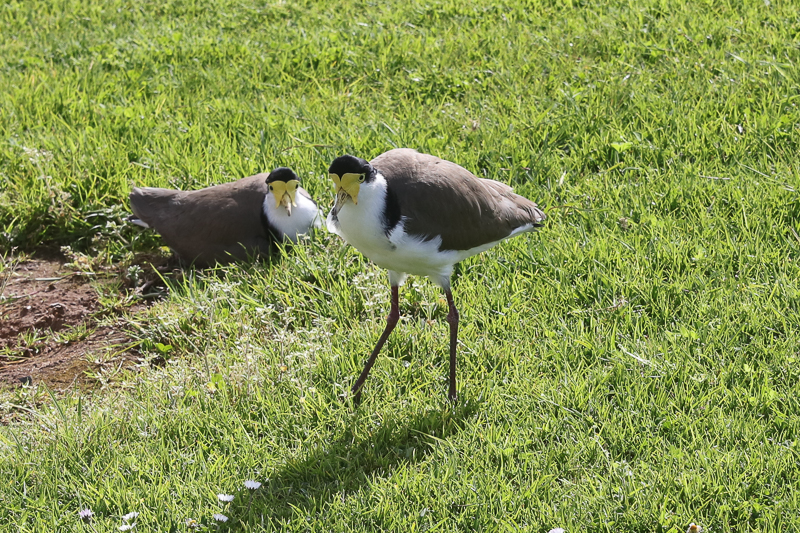
Plover (Masked Lapwing) nesting outside Botanic Gardens The gardens contain mature trees, historic plantings, approximately 300 varieties of roses and around 130 varieties of dahlias. Unfortunately we were there too early for the dahlias.
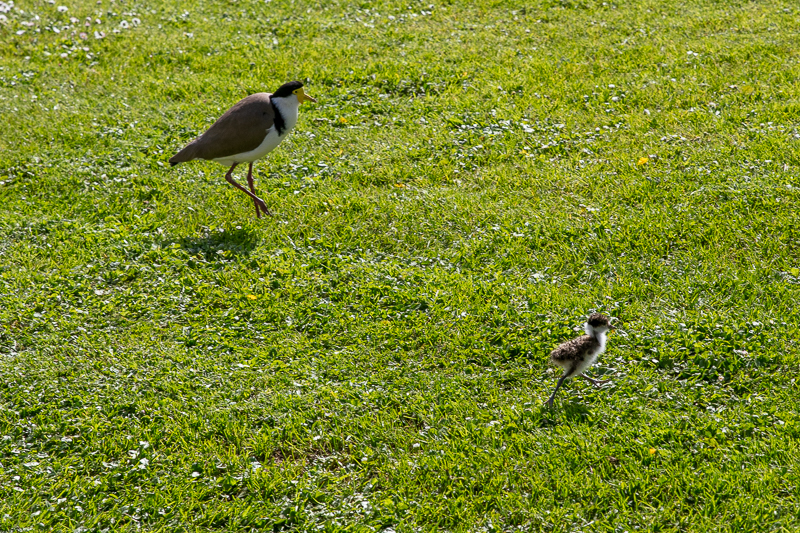
Plover (Masked Lapwing) with chick Best for: flowers, macro photography, trees, garden landscapes and detail photography.
Best light: overcast conditions or early morning, when soft light reduces harsh contrast on flowers.
GPS: -38.35262, 141.60568
Address: Glenelg Street, Portland VIC 3305
-
Nuns Beach and Portland Foreshore
Nuns Beach curves around the Portland foreshore close to the centre of town and provides accessible views across Portland Bay.
Best for: sunrise, beach landscapes, waves, reflections, Norfolk Island pines and photographs incorporating Portland's waterfront.
Best light: sunrise and early morning.
Wet sand after a receding wave can provide excellent reflections, particularly when the sunrise sky has strong colour.
-
Pivot Beach / Madeira Packet Road
Located only a few minutes south of Portland, this section of coast is useful for photographing whales moving between Portland Bay and the exposed waters around Cape Nelson.
Best for: whale photography, rocky coastline, surf and dramatic seascapes.
Recommended lens: a long telephoto of at least 300mm for whale photography.
-
Cape Nelson Clifftop Walk
The clifftop country surrounding Cape Nelson is worth treating as a photographic destination separate from the lighthouse itself.
Walking trails pass through windswept coastal heath and provide elevated views over limestone cliffs and the Southern Ocean. Depending upon the section walked, opportunities include cliffs, wildflowers, seabirds, whales and highly textured coastal vegetation.
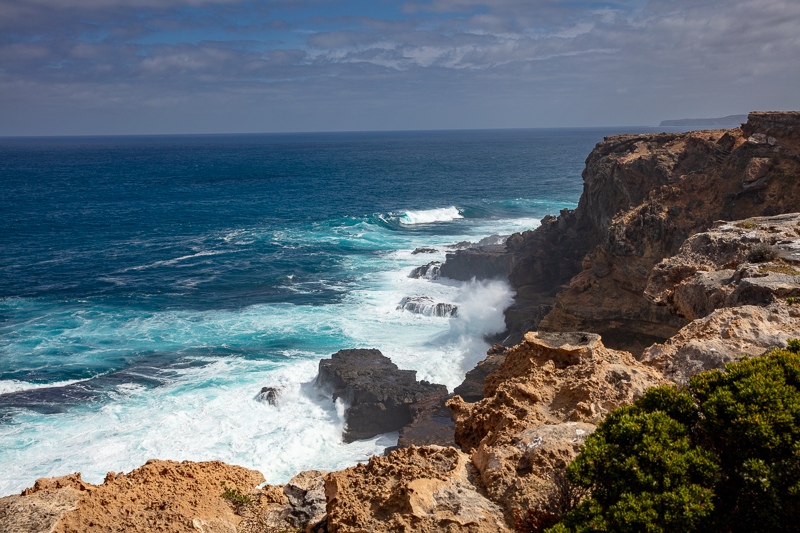
Coast from Cape Nelson Lighthouse Best for: panoramic landscapes, storm fronts, whales, wildflowers and environmental photography.
Best period: spring for wildflowers; winter and spring for whales and dramatic weather.
How I photographed Portland
What I took - what was in my kit
I took my LowePro Backpack loaded with Canon 5DMkII body, Canon 24-105mm zoom, Manfrotto 190 Tripod, and of course a range of lens wipes, spare batteries, sunscreen and bug repellant. I tended to shoot 28-55mm
Techniques
TBD
Other things to look out for
Some of the best photographic locations in the Portland district are outside the city itself but still within approximately one hour's drive.
-
Cape Bridgewater - approximately 20 to 25 minutes
Cape Bridgewater should be regarded as an essential side trip for photographers visiting Portland. The cape was once a volcanic island and contains some of the most spectacular coastal scenery in south-west Victoria.
Bridgewater Bay forms a magnificent approximately four-kilometre crescent of sand below high coastal cliffs. Bridgewater Beach is one of the nicest beaches I have seen.
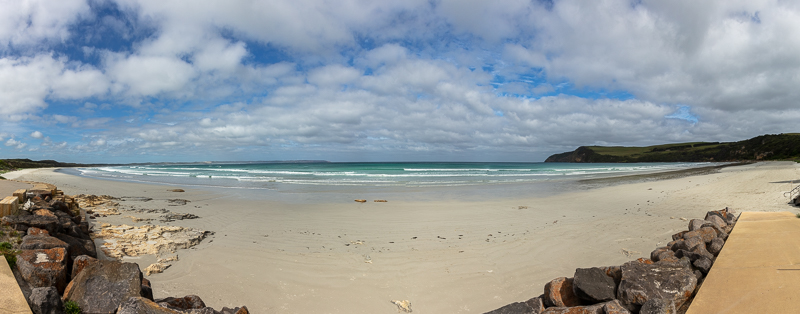
Bridgewater Beach Best for: beaches, surf, huge cliffs, whales, sunsets and panoramic landscapes.
-
The Petrified Forest - approximately 25 minutes
Despite its name, the Petrified Forest is not actually fossilised timber. Its unusual vertical formations are limestone solution pipes created as water dissolved the underlying limestone and later cemented surrounding sand.
The result is an extraordinary almost other-worldly landscape of cylindrical formations standing above the Southern Ocean.
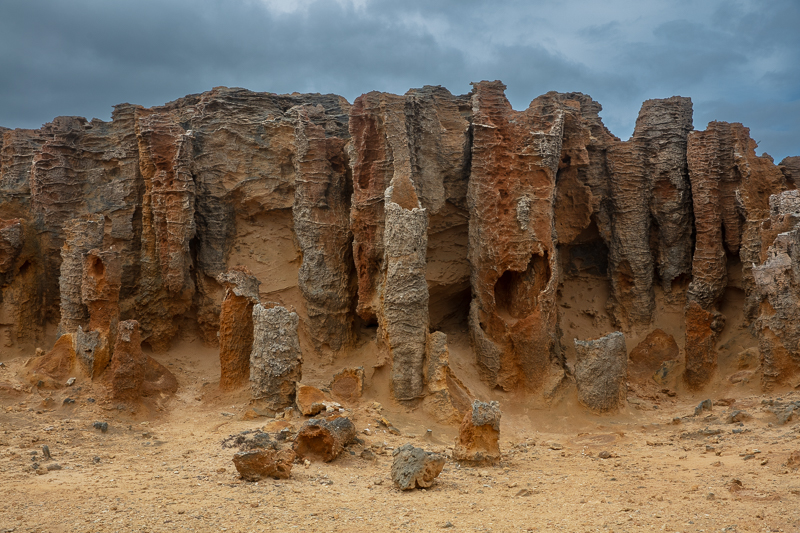
Petrified Forest Best for: geological details, wide-angle landscapes, dramatic skies and abstract photography.
Photography tip: late-afternoon side lighting is useful because it emphasises the shapes and textures of the formations.
Access is from the car park at the end of Blowholes Road, Cape Bridgewater.
-
Cape Bridgewater Blowholes - approximately 25 minutes
The Blowholes are only a short walk from the Petrified Forest car park. During large Southern Ocean swells, waves force air and spray through cavities in the basalt and scoria coastline. Ideally, you want a nice sunny day right after a big storm has come through. Unfortunately, you mostly get grey skies with little difference between the sea and the sky at the end of a storm. This was the conditions that we had.
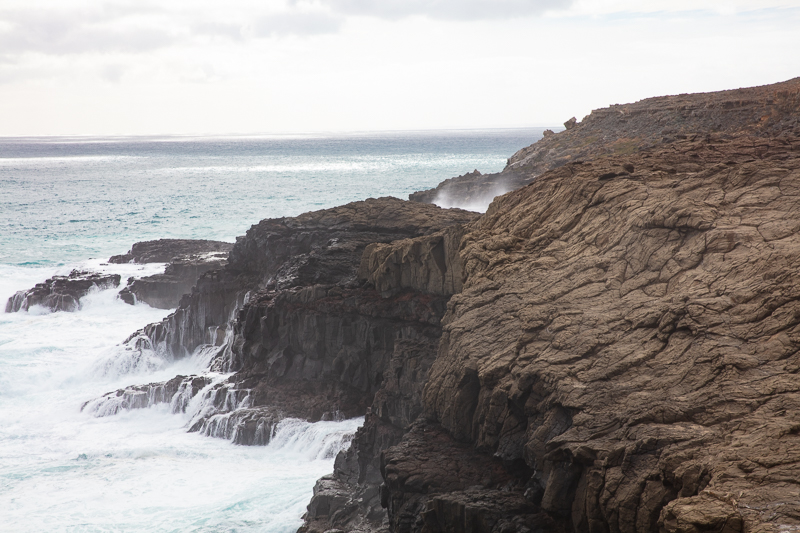
Cape Bridgewater Blowholes 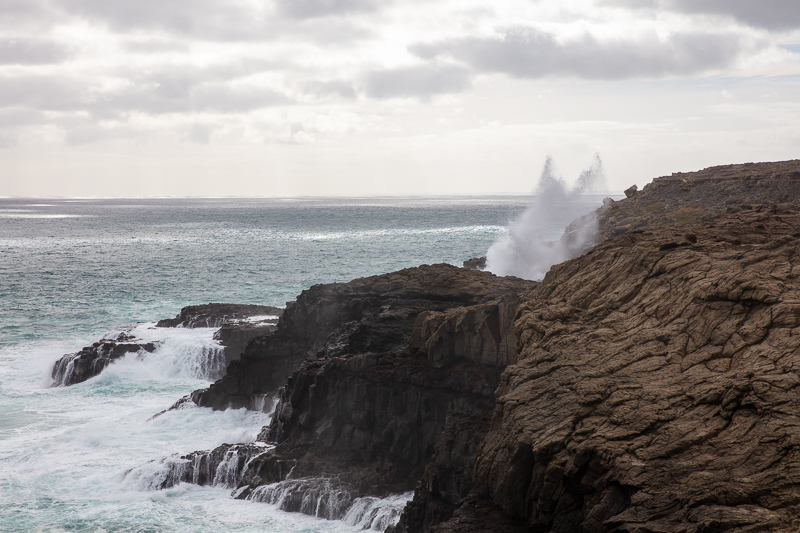
Cape Bridgewater Blowholes Best for: breaking waves, sea spray, storm photography and rugged coastal landscapes.
The most spectacular conditions are usually associated with large swells, although photographers should remain well back from cliff edges and exposed rock shelves.
-
Cape Bridgewater Seal Colony - approximately 25 minutes plus walk
Cape Bridgewater supports a major breeding colony of Australian and New Zealand fur seals.
The colony can be viewed from the coastal walking trail, or visitors can investigate locally operated boat tours when they are running.
Best for: wildlife, seals, cliffs, birds and coastal landscapes.
A long telephoto lens is strongly recommended. Do not approach or disturb wildlife for a closer photograph.
-
Bridgewater Lakes and Discovery Bay - approximately 25 to 35 minutes
The lakes and enormous dune systems west of Portland provide a much quieter photographic experience than the major coastal lookouts.
Best for: dunes, wetlands, birdlife, reflections and minimalist landscapes.
Early morning is particularly attractive when conditions are calm and mist is possible over the water.
-
Budj Bim National Park - approximately 45 to 55 minutes
Budj Bim provides one of the most interesting changes of landscape within an hour of Portland.
The area includes the volcanic crater of Budj Bim, Lake Surprise, lava flows, caves, forest and a culturally significant landscape associated with the Gunditjmara people.
Best for: volcanic landscapes, forest, Lake Surprise, wildlife and environmental photography.
Photographers should remember that this is an important living cultural landscape. Follow signs and any photography directions provided by Traditional Owners.
-
Tae Rak / Budj Bim Cultural Landscape
For a deeper understanding of the surrounding landscape, consider a Gunditjmara-guided visit to the World Heritage-listed Budj Bim Cultural Landscape.
The landscape contains sophisticated systems of channels, dams and weirs developed by Gunditjmara people for the harvesting and management of kooyang (short-finned eel).
Tours begin from the Tae Rak Aquaculture Centre at Lake Condah and should generally be booked in advance.
-
Nelson and the Glenelg River - approximately 50 to 60 minutes
Nelson lies close to the South Australian border where the Glenelg River reaches the Southern Ocean.
The river provides a striking contrast to Portland's exposed coastline, with calm water, limestone cliffs, forest and opportunities for reflections.
Best for: river landscapes, reflections, kayaking, limestone cliffs, birds and misty mornings.
Early morning and late afternoon are generally the most productive periods for photography.
-
Princess Margaret Rose Cave area
The limestone country beside the Glenelg River contains the Princess Margaret Rose Cave and surrounding river viewpoints.
Important: the cave itself is currently closed while Parks Victoria completes redevelopment and safety works. Check current conditions before planning a visit.
The surrounding Lower Glenelg National Park remains photographically interesting for river, forest, wildlife and limestone landscapes.
-
Tarragal Caves
These 'caves' are more rock shelters that are in the side of the cliff overlooking Bridgewater Lakes.
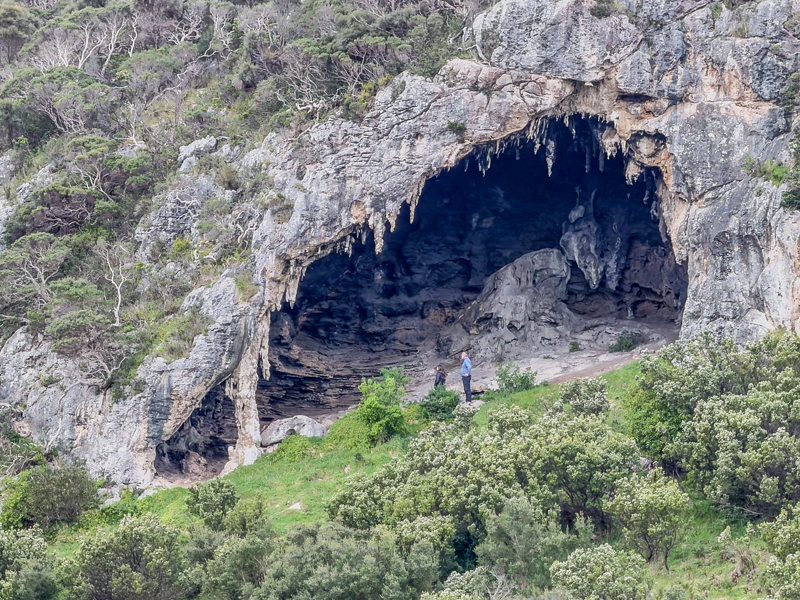
Large Tarragal Cave 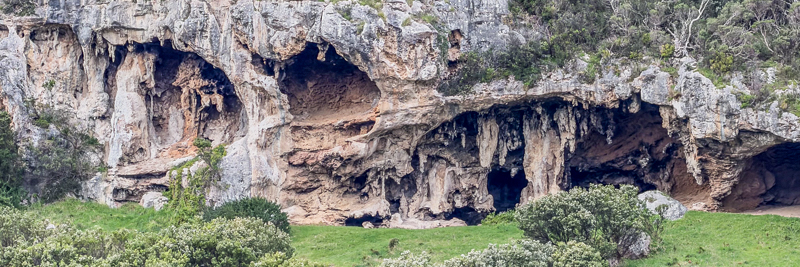
Panoramic view of a section of Tarragal Caves
Location
Portland Visitor Information Centre and Maritime Discovery Centre
Address:
Portland Visitor Information Centre
Lee Breakwater Road
Portland VIC 3305
Australia
Google Maps: Portland Visitor Information Centre
Techniques used
- Techniques
- Normal Style
- Long Exposures
- Nuetral Density Filters
- High Dynamic Range
- Focus Stacking
- Remove People
- Photo Stitching
- Movements
- Tombstoning
- ISO
- Shutter Speed
- Depth of Field
- Diffraction
- Moving the eye around the picture
- Golden and Blue Hour
- Infra-Red Photography
- Raw vs JPG (JPEG)
- Camera Modes
- Expose to the Right
- Sharpness
- Fore, Middle, Far
- Rule of Thirds
- Techniques
- Normal Style
- Long Exposures
- Nuetral Density Filters
- High Dynamic Range
- Focus Stacking
- Remove People
- Photo Stitching
- Movements
- Tombstoning
- ISO
- Shutter Speed
- Depth of Field
- Diffraction
- Moving the eye around the picture
- Golden and Blue Hour
- Infra-Red Photography
- Raw vs JPG (JPEG)
- Camera Modes
- Expose to the Right
- Sharpness
- Fore, Middle, Far
- Rule of Thirds
Kit used
- My kit
- Apple Iphone 17Pro Max
- GoPro Hero 11
- Fuji GX680 Medium Format
- Linhof Technorama
- Canon 5DMkII
- Canon 5DSR
- Canon 16-35
- Canon 16-35
A useful selection of equipment for Portland would include:
- 16-35mm: Cape Bridgewater, Petrified Forest, Cape Nelson cliffs and lighthouse foregrounds.
- 24-70mm: general landscapes, Portland harbour, town and lighthouse photographs.
- 70-200mm: compressed coastal landscapes, lighthouse details and offshore subjects.
- 100-500mm or 200-600mm: whales, Australasian gannets, seals and other wildlife.
- Tripod: strongly recommended for sunrise, sunset and long exposures.
- Polarising filter: useful around Portland Bay, lakes and vegetation, although care should be taken with very wide-angle lenses.
- ND filters: useful for long exposures of waves and moving water.
- Rain protection: highly desirable. Portland's exposed coast can change from sunshine to rain remarkably quickly.
Before travelling to exposed locations such as Cape Nelson or Cape Bridgewater, check the weather forecast, wind, swell and tide. Large swells can create excellent photographs but can also make cliffs, rock platforms and beaches dangerous.
How to get there
Driving from Melbourne
Portland is approximately 360 kilometres west of Melbourne.
The most direct route is generally:
Melbourne → Geelong → Colac → Camperdown → Warrnambool → Port Fairy → Portland
Travel is primarily via the M1 and Princes Highway. Allow approximately 4½ to 5 hours without substantial sightseeing stops.
Melbourne to Portland driving directions
Via the Great Ocean Road
Photographers with additional time should consider reaching Portland via the Great Ocean Road:
Melbourne → Torquay → Lorne → Apollo Bay → Twelve Apostles → Port Campbell → Warrnambool → Port Fairy → Portland
This is substantially longer than the direct route and should ideally be treated as a two or three day photographic journey.
Major photography stops can include:
- Bells Beach
- Split Point Lighthouse
- Lorne
- Cape Patton
- Apollo Bay
- Gibson Steps
- Twelve Apostles
- Loch Ard Gorge
- London Bridge
- Bay of Islands
- Warrnambool
- Port Fairy
- Portland
Train and coach
Portland does not have a regular passenger railway service.
A practical public transport route from Melbourne is to take a V/Line train from Southern Cross Station to Warrnambool and continue towards Portland by regional coach.
Timetables and connections can change, so check the current journey immediately before travelling.
Walking
Portland itself is quite suitable for walking, particularly around the foreshore, Lee Breakwater, Botanic Gardens and historic areas.
Longer-distance walkers can explore sections of the Great South West Walk, a roughly 250-kilometre walking route that begins and ends in Portland and passes through forest, river country, remote beaches and the dramatic coast around Cape Bridgewater and Cape Nelson.
Getting around for photography
Although Portland itself can be explored on foot, a car is strongly recommended for photographers. Cape Nelson, Point Danger, Cape Bridgewater, Budj Bim and Nelson are spread over a considerable area and public transport is not convenient for dawn, sunset or wildlife photography.
Best time to visit
Portland can be photographed throughout the year, but each season offers different subjects and conditions.
Autumn - March to May
Autumn is an excellent general-purpose period for landscape photography. Temperatures are usually more comfortable than winter, there are fewer holiday visitors than during summer and changing weather can provide dramatic coastal light.
Good for: Cape Nelson, Cape Bridgewater, lighthouse photography, coastal landscapes and sunsets.
Winter - June to August
Winter is arguably Portland's most dramatic photographic season.
Strong Southern Ocean swells, storm fronts, dark clouds and rapidly changing light can transform Cape Nelson and Cape Bridgewater.
Winter also marks the beginning of the principal whale-watching season.
Good for: whales, storms, crashing waves, moody landscapes and dramatic skies.
The disadvantage is obvious: expect wind, rain and cold conditions.
Spring - September to November
Spring is probably the best all-round season for photography around Portland.
The coastal heath around Cape Nelson produces wildflowers, surrounding farmland is green, gannet breeding activity increases and migrating whales may still be present.
Good for: wildflowers, gannets, whales, landscapes and wildlife.
Summer - December to February
Summer provides long evenings, warmer conditions and better opportunities for beach and family photography.
It is also an excellent period for photographing the Point Danger gannets.
The disadvantages are very early sunrise, stronger midday light and potentially busier coastal locations.
Best overall photographic period
For a photographer visiting Portland for the first time, I would choose September or October.
This period provides perhaps the best combination of:
- Green surrounding landscapes
- Spring wildflowers around Cape Nelson
- Active Australasian gannets
- A possibility of migrating whales
- Dramatic Southern Ocean weather
- More convenient sunrise times than mid-summer
For particularly dramatic seascape photography, however, winter may be even better. Cape Nelson, the Cape Bridgewater Blowholes and the Petrified Forest can be spectacular when a large Southern Ocean swell is accompanied by broken cloud and changing light.
Accessability
XXX
Where to stay
Portland has accommodation ranging from historic guest houses and waterfront hotels to motels, apartments and caravan parks.
Hotels and Apartments
Quality Hotel Bentinck
41 Bentinck Street, Portland.
A historic hotel in an excellent central position opposite the waterfront,
making it convenient for sunrise photography around Portland Bay and
Lee Breakwater.
Quest Portland
66 Julia Street, Portland.
Apartment-style accommodation that can be particularly useful for
photographers staying several nights or travelling with substantial
equipment.
Seascape Accommodation
271 Hanlon Parade, Portland.
The coastal position makes this particularly attractive for visitors who
want easy access to Portland Bay and the coast.
Bed and Breakfast / Historic Accommodation
Victoria House
5-7 Tyers Street, Portland.
Historic-style bed and breakfast accommodation close to central Portland.
Annesley House
60 Julia Street, Portland.
Heritage accommodation convenient to the town centre and waterfront.
Caravan and Holiday Parks
Portland Bay Holiday Park
184 Bentinck Street, Portland.
Its waterfront position makes this one of the most convenient caravan park
choices for photographers.
Portland Tourist Park
74 Garden Street, Portland.
Offers caravan/RV accommodation and cabins within easy reach of the city
centre.
Holiday Lifestyle Henty Bay
Located east of Portland on the coast, with caravan sites, camping and
cabin-style accommodation.
This can be an attractive alternative for people wanting a quieter coastal setting rather than central Portland.
Something Special - Cape Nelson Lighthouse
For photographers, one of the most interesting accommodation options in the entire district is to stay in one of the restored lighthouse keeper's cottages at Cape Nelson.
Staying at the lighthouse puts you in position for both the last light of the evening and the first light of the following morning without needing to drive back to Portland.
Cape Nelson Lighthouse Accommodation
Photographic Recommendations
recommendations XX